When your calendar is already full, combining treatments in one appointment can sound like a smart way to make time for yourself. But can you pair Botox with filler? What about a peel or a laser treatment on the same day?
The answer depends on the specific treatments, your skin, and your provider’s protocol. Some pairings may be appropriate in one visit. Others are better spaced out so your provider can protect your comfort, assess your response, and plan each step carefully.
So, could same-visit stacking fit your goals? Keep reading and find out more. The key takeaway: your injector’s clinical plan, not convenience alone, should decide what happens together.
What does “same-visit stacking” mean?
Same-visit stacking is completing two or more aesthetic treatments during a single appointment. It can be convenient, but combining treatments is not simply a matter of adding services to one booking.
Each treatment affects the body in a different way. Botox relaxes targeted muscles. Dermal filler adds volume in selected areas. A chemical peel works on the skin’s surface, while lasers and other energy-based devices deliver heat or energy to specific tissue depths.
When treatments are combined, the provider considers how they interact, where they’re being performed, and what your skin needs afterward. A procedure may cause temporary swelling, redness, sensitivity, or bruising. Those effects can influence the next treatment or make it harder to assess the result.

Combinations that may be possible in one visit
Botox and dermal filler
Botox and filler are commonly paired in facial treatment planning because they address different concerns. Depending on your goals and the areas being treated, a qualified injector may recommend both during one visit.
There isn’t one sequence that fits everyone. The areas being treated, the type and placement of filler, and the provider’s technique all matter. Your injector may also decide to stage treatment so swelling or bruising can settle before evaluating the next step.
If your provider recommends doing both together, ask what order they plan to use and why. A thoughtful plan should account for your facial anatomy, treatment goals, and aftercare, not just save you a trip.
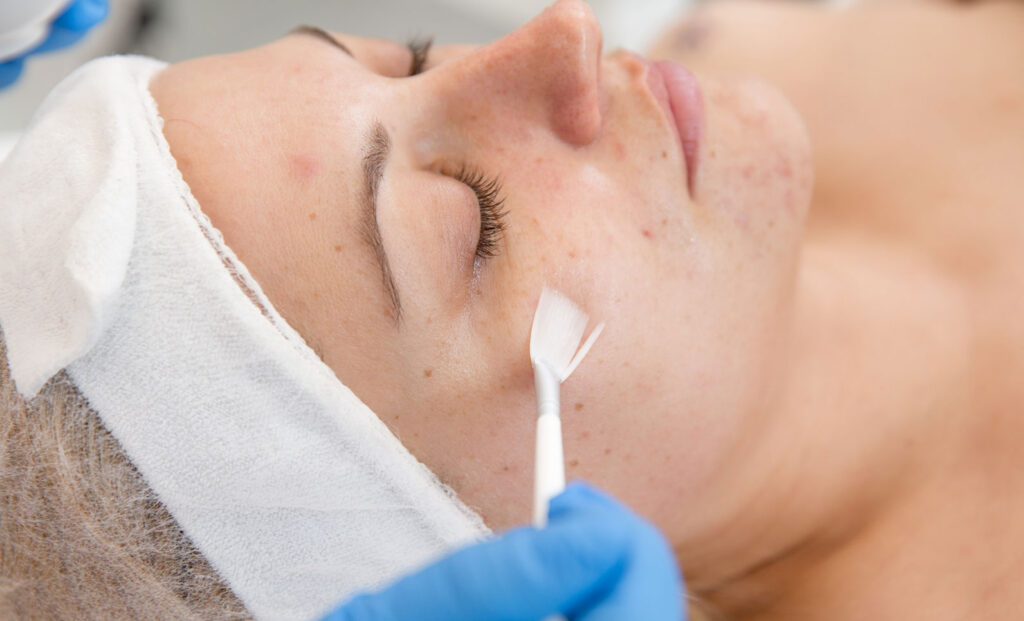
Botox and a superficial peel
A superficial peel may be appropriate alongside an injectable treatment for some people, but it isn’t an automatic add-on. Peel strength, skin sensitivity, treatment areas, and your history all matter.
Uplift’s VI Peel page notes that peel types vary and that some involve a week of peeling and specific aftercare. Your provider may prefer to separate treatments, especially if a peel is more intensive or your skin needs time to recover.
The word “peel” covers different levels of treatment. A gentle, superficial peel and a medium-depth peel are not interchangeable, so don’t assume the same combination rules apply to both.
Some injectable and light-based treatments
Certain non-ablative light or laser treatments may be combined with injectables under a clinician’s specific protocol. But the device, settings, treatment depth, and injection area can change the recommendation, and even professional guidance can vary for different devices.
That’s why it’s important to tell your provider exactly what you’re considering. A laser or light-based treatment might be suitable in a carefully planned sequence, or it might be better scheduled for another day.
“Same day” does not mean “any order.” Your provider should be able to explain the sequence and the reasoning behind it.
Treatments that often need more careful spacing
Injectables and heat-based treatments
Some energy-based treatments deliver heat deeper into the skin or create more significant tissue response. Examples include ablative laser resurfacing and radiofrequency microneedling, such as Morpheus8.
When heat, swelling, or skin disruption could affect an injectable treatment, or the way your provider evaluates its placement, spacing appointments may be the more considered option. In some situations, professional guidance recommends leaving around two weeks between injectables and more intensive energy-based procedures. That is not a universal schedule; your provider may recommend a different interval based on the device, treatment area, and your individual plan.
For the same reason, don’t assume every laser treatment has the same timing rules. A light-based treatment and a deeper resurfacing procedure can have very different effects.
Medium or deeper peels and other resurfacing
More intensive peels can leave skin sensitive while it heals. Combining them with other procedures that also irritate or resurface the skin may increase the burden on your skin and complicate aftercare.
Your provider may recommend spacing a medium-depth peel from injectables or energy-based treatments. It’s also worth asking whether you’ll need to pause certain skincare products, avoid heat or exercise, or follow specific sun-protection instructions between appointments.

Why treatment sequence matters
Sequencing helps your provider manage how one procedure may affect the next. For example, swelling from an injection can change the appearance of the treatment area temporarily. Heat or massage may also be unsuitable after certain injections. A peel can make your skin more sensitive, while a laser may create temporary redness or irritation.
There is no single sequence that works for every combination. Your provider considers:
- The treatment type, depth, and intensity
- The areas being treated and how close they are
- Whether the treatment causes heat, swelling, or skin disruption
- Your medical history, skin condition, and previous treatment response
- The aftercare you’ll need and whether you can follow it comfortably
That final point matters, especially if you have a busy workweek or an event coming up. A plan that gives your skin the time it needs is often more useful than squeezing in every treatment at once.
Questions to bring to your consultation
You don’t need to arrive with a perfect schedule. Bring your goals and questions, and let your provider guide the plan. You might ask:
- Which treatments, if any, are appropriate to combine for me?
- If we do more than one, what order do you recommend, and why?
- Would spacing treatments help you assess my response?
- How much downtime or visible recovery should I plan for?
- Are there skincare products, medications, or recent treatments I should mention?
- What aftercare restrictions should I expect?
Share your full treatment history, including recent injectables, laser or peel appointments, and any reactions you’ve had. Mention medications and health factors your provider asks about. This gives them the context they need to make an informed recommendation.
A convenient plan is one that puts your care first
Same-visit stacking can be a reasonable option for selected treatment pairings. Botox and filler, or an injectable and a superficial peel, may be considered together in some cases. More intensive peels and heat-based treatments often call for extra care with timing. The right approach depends on your specific treatment and provider protocol.
If you’re exploring Botox in Woodbury or planning a broader medical aesthetics treatment, a consultation can help you understand what may fit into one visit, and what may be better scheduled separately. At a Woodbury med spa, your plan should be personalized around your goals, your skin, and your safety.
At Uplift Aesthetics, we’re happy to talk through your options and help you plan a sequence that feels manageable. A little thoughtful spacing can make it easier to focus on each treatment and its aftercare. The best plan is the one that supports your goals with care and confidence.