When fall allergies leave your nose stuffy just as you’re ready for bed, it’s tempting to try anything that promises easier breathing. Could a salt booth help? Or is a saline rinse a better place to start?
They’re different tools, and neither cures allergies. A saline rinse can wash allergens and mucus from your nose, while a salt booth is an optional wellness experience with less-established evidence for allergy relief. You don’t necessarily have to choose one or the other, but it helps to know what each can realistically do.
Keep reading for a practical, no-hype comparison for your fall routine.
What’s the difference between a salt booth and a saline rinse?
A saline rinse uses saltwater to flush the inside of your nose. You can use a squeeze bottle or neti pot for a rinse, or choose a saline spray for a gentler mist. Rinses can physically wash away some mucus, pollen, dust, and other material from nasal passages.
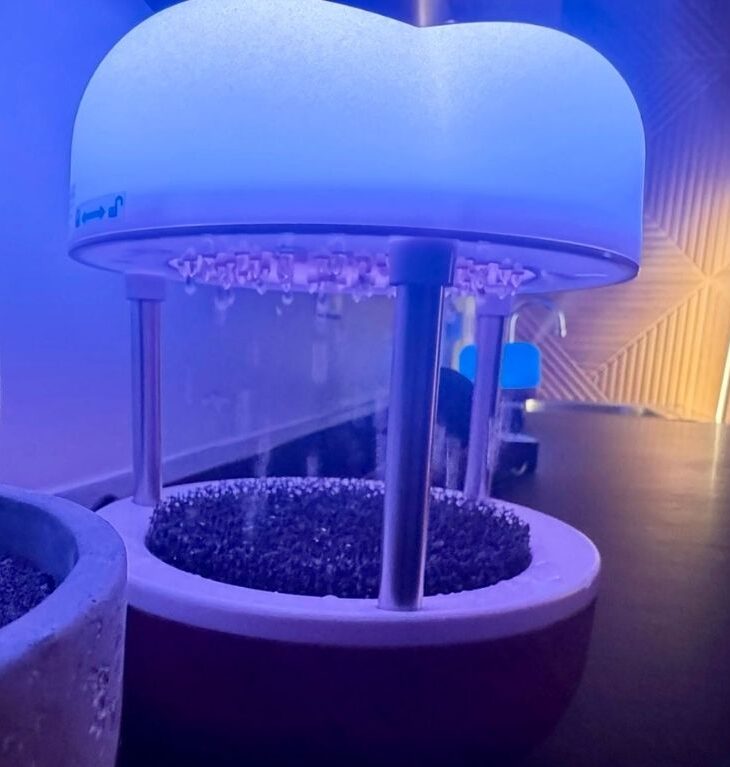
A salt booth, also called halotherapy, is a room or booth where a device disperses tiny salt particles into the air. You sit and breathe normally during a session. It’s a passive wellness ritual, rather than a targeted wash of your nasal passages.
That difference matters: a nasal rinse delivers saline directly through the nose. Breathing salty air may feel soothing to some people, but it doesn’t work like a rinse, and research hasn’t established that salt booths reliably relieve allergy symptoms.
Saline rinse: a practical tool for nasal congestion
For allergy-related stuffiness, a properly used saline rinse is often the more direct option. It may help clear mucus and allergens from your nasal passages and provide temporary symptom relief. Evidence reviews suggest saline irrigation can help some people with allergic rhinitis, though results and study quality vary. It does not remove the underlying allergic tendency or prevent future reactions.
A saline spray is another simple option if you want moisture or prefer not to use a rinse bottle. Sprays can be easier to fit into a busy evening, but they don’t flush the nose as thoroughly as an irrigation device.

Use a rinse safely
The FDA’s guidance on nasal irrigation emphasizes using clean equipment and safe water. In practical terms:
- Use distilled or sterile water, or tap water that has been boiled and cooled. Don’t use untreated tap water.
- Follow the device directions and use a saline mixture as directed; plain water may irritate your nose.
- Wash your hands before use. Clean the device after each use and let it dry completely.
- Don’t force a rinse if your nose is completely blocked. Check with a healthcare professional if you’re unsure whether rinsing is appropriate for you.
If your symptoms worsen or don’t improve, or you develop concerning symptoms such as fever, significant facial pain, or a nosebleed, contact a healthcare professional.
Salt booth: a wellness ritual, not a proven allergy treatment
A salt booth may offer a quiet place to slow down and relax. Some people say they feel temporarily more comfortable afterward, but individual experiences aren’t proof of a reliable treatment effect. Reviews of halotherapy research have found the evidence limited, and health organizations caution that it shouldn’t replace proven care for respiratory conditions.
So if you’re looking up salt booth Woodbury or halotherapy St Paul, it’s worth asking what you want from a session. If you’re hoping for a restful wellness break, a booth may suit that goal. If you’re looking for a way to wash pollen and mucus from your nose, a saline rinse is the more direct tool.
At Uplift Aesthetics in Oakdale, the Uplift Wellness Suite includes salt therapy as part of a broader wellness setting. You can learn about the Wellness Room as well. These pages describe the experiences available; they aren’t a promise that halotherapy will treat allergies or congestion.
Are they mutually exclusive? No.
Think of a rinse as a tool and a booth as a ritual. If you enjoy a salt booth and your healthcare provider says it’s appropriate for you, it may be part of your personal wellness routine. A saline rinse can still be used separately for nasal symptoms, following the device instructions and water-safety guidance.
There’s no need to treat one as a replacement for the other, or to assume that doing both will make allergy symptoms go away. For many people, a sensible evening plan starts with practical steps: use your usual allergy care as directed, consider a saline rinse if it’s suitable for you, and make your bedroom a comfortable place to rest.
Screening matters: asthma, COPD, and active infection
A salt booth may not be appropriate for everyone. Check with your healthcare professional before using one if you have asthma or COPD, especially if symptoms are not well controlled, you’ve had a recent flare, or airborne particles tend to trigger coughing or wheezing. Salt aerosol may irritate the airways in some people. Leave the booth and seek guidance if you notice chest tightness, wheezing, or worsening shortness of breath.
If you have a fever, contagious respiratory illness, or active infection, postpone a communal session until you’re well. A salt booth is not a treatment for an infection. If you have a respiratory condition and aren’t sure whether a nasal rinse is right for you, ask your clinician, too.

Keep your prescriptions
This is the part worth remembering on a congested night: neither a salt booth nor a saline rinse replaces medication prescribed or recommended for your allergies, asthma, or another condition. Keep taking your prescriptions as directed, and ask your prescriber or pharmacist before changing or stopping them.
A saline rinse may complement your existing allergy plan by helping clear your nose. A salt booth can be an optional wellness experience, but evidence for allergy relief is limited. If your symptoms are keeping you from sleeping, disrupting daily life, or getting worse, a healthcare professional can help you choose appropriate treatment.
A realistic takeaway for fall allergy nights
If you want a direct way to clear nasal mucus and allergens, a properly prepared saline rinse is the more targeted option, and it may provide temporary relief. A salt booth offers a different experience: time to pause and breathe in a salt-infused room, with uncertain benefit for allergy congestion.
They aren’t competing cures. One is a practical at-home tool; the other is an optional wellness ritual. Choose based on your needs, use each safely, and keep your prescriptions in the plan. With realistic expectations and guidance suited to your health, you can make a more comfortable evening routine feel manageable.
This article is for general education and isn’t a substitute for personalized medical advice.