A quiet sauna session after a busy week can feel like exactly what you need. But what if you’ve also noticed a mole changing, or a rash that just won’t go away? Should you book a spa service, or call your doctor?
Knowing the difference between relaxation, elective aesthetic care, and medical care helps you make a confident choice. A med spa can offer a welcoming place for self-care and cosmetic services. It is not a substitute for a physician, a medical diagnosis, or emergency care. Keep reading to learn where those lines are, and why a trustworthy provider will respect them.
What a med spa is designed to do
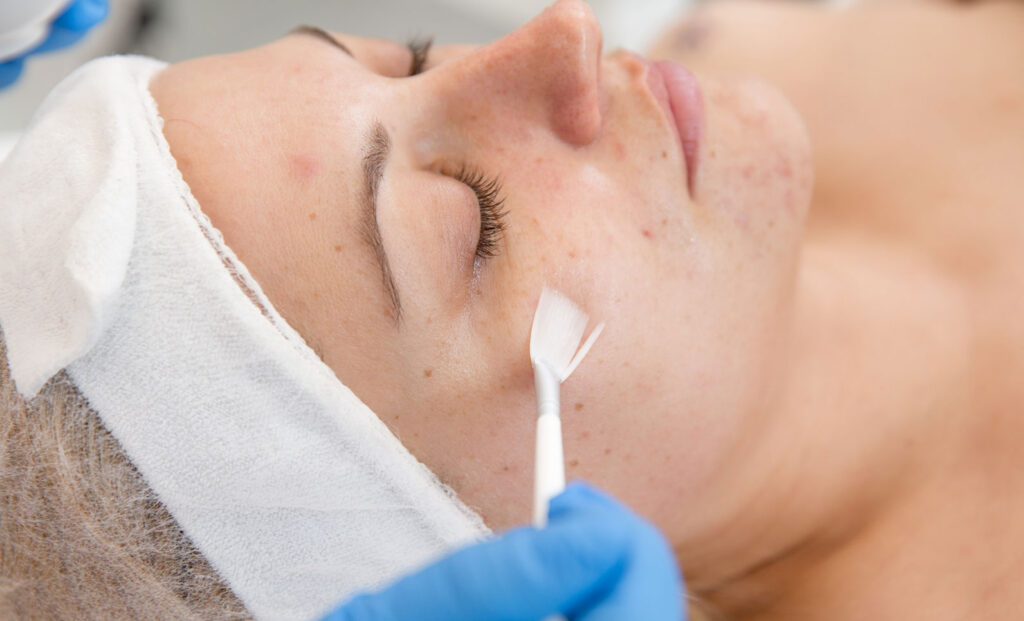
Med spas offer elective services that may support cosmetic goals, comfort, or relaxation. Depending on the clinic and service, that might include a facial, a cosmetic skin treatment, or a wellness-room session.
These services can be a meaningful part of your self-care routine. They may help you feel refreshed or work toward an appearance-related goal. But they don’t replace medical evaluation or treatment for an illness, injury, or unexplained symptom.
At Uplift Aesthetics, our Wellness Room in Oakdale offers amenities such as an infrared sauna and massage chair. Think of these as opportunities to unwind, not as a way to diagnose or treat a health condition. If you have a health concern or aren’t sure whether a service is appropriate for you, check with a qualified healthcare professional first.
The same distinction applies to aesthetic services. A provider may discuss whether a cosmetic treatment fits your goals and explain its expected benefits, limits, and risks. That’s different from diagnosing a medical condition.

What belongs with your physician or dermatologist?
Some concerns need medical attention before you consider a spa service. For example:
- A new or changing mole: A spot that changes in size, shape, or color, or itches, grows, or bleeds, should be assessed by a medical professional. The CDC’s guidance on skin cancer symptoms explains that changes in the skin can be a sign of skin cancer. A med spa isn’t the place to determine what a suspicious spot is.
- A persistent or unexplained rash: A facial can’t tell you whether a rash is caused by an allergy, infection, eczema, or something else. If a rash persists, spreads, returns repeatedly, becomes painful, or comes with other symptoms, contact a healthcare professional for evaluation.
- A sudden or severe symptom: Trouble breathing, chest pain, fainting, sudden weakness, or other potentially serious symptoms call for urgent medical help, not a spa appointment. Call 911 for a medical emergency.
It can be tempting to seek a quick, convenient solution, especially when your schedule is full. But the right next step is the one that gets you appropriate care. Once a medical concern has been evaluated, your clinician can advise you about whether an elective service makes sense.
A sauna session and a suspicious mole are not the same kind of appointment
A sauna session is generally booked for relaxation and comfort. A suspicious mole needs medical assessment. That distinction may sound straightforward, but it’s useful when a wellness or beauty concern appears alongside a symptom you haven’t had checked.
For example, you might enjoy an infrared sauna as part of a relaxing routine. But it shouldn’t be treated as a remedy for a medical condition, and it won’t tell you why you’re feeling unwell. If you have a health condition, take medication, are pregnant, or have questions about heat exposure, ask your healthcare professional whether sauna use is suitable for you.
Similarly, a facial may be appropriate for cosmetic skin care when your skin is healthy enough for the planned service. A persistent unexplained rash is different. It needs an assessment before anyone decides whether a facial, or any other skin treatment, is appropriate.

Why a good provider may say no
If a provider pauses, asks you to reschedule, or recommends you contact a doctor first, that can be a sign they’re taking your well-being seriously.
A responsible provider should be willing to:
- Ask about your health history, medications, allergies, and previous treatments.
- Explain what a service can, and can’t, reasonably do.
- Discuss potential risks, alternatives, and what to expect afterward.
- Decline or delay a treatment when your concern needs medical evaluation or the service may not be appropriate.
- Direct you to medical care when your symptoms are outside the scope of the service.
That conversation isn’t a judgment about you or your goals. It’s an important step in deciding whether to proceed safely. A good provider won’t promise to diagnose or resolve something they aren’t there to assess. They’ll help you understand your options and make space for the right next step.
How to tell whether a clinic takes safety seriously
You don’t need to be an expert to ask thoughtful questions. Before booking an elective service, look for a clinic that welcomes questions and gives clear answers.
Consider asking:
- Who will perform my service, and what license and training do they have? Rules and permitted scopes of practice can vary by location and role. Ask who is responsible for your care and how the provider is qualified for the specific service.
- Will we review my health history first? Your medications, allergies, medical conditions, and treatment goals can affect whether a service is suitable.
- What are the benefits, risks, and alternatives? You should have time to understand the plan and decide without pressure.
- What should I expect afterward, and who do I contact with a concern? Clear aftercare guidance and a way to reach the clinic matter.
- What happens if something unexpected occurs? Ask how the clinic handles complications or urgent concerns and when it would refer you for medical care.
In its guidance on physician-led med spa care, the American Medical Association emphasizes appropriate qualifications, oversight, and patient safety. The details of how care is provided can differ among clinics and depend on local requirements, so it’s reasonable to ask how those responsibilities work where you’re being treated.

Your self-care should feel informed and comfortable
A med spa can offer a welcoming setting for elective cosmetic services and moments of relaxation. A physician or dermatologist is the right resource for diagnosing a suspicious mole, evaluating a persistent rash, or helping you understand an unexplained symptom. Emergency services are the right choice when symptoms are severe or potentially life-threatening.
You deserve both care and clarity. Ask questions, share relevant health information, and take the time you need to decide. And if a provider recommends medical evaluation before proceeding, consider that part of good care, not a setback.
If you’re exploring a wellness service, you can learn more about the Uplift Aesthetics Wellness Room. For elective aesthetic care, visit About Uplift Aesthetics to learn about the team and our approach. When you know what each kind of care is, and isn’t, designed to do, it’s easier to choose your next step with confidence.
This article is for general information and isn’t medical advice. Contact a qualified healthcare professional about symptoms or questions specific to your health.