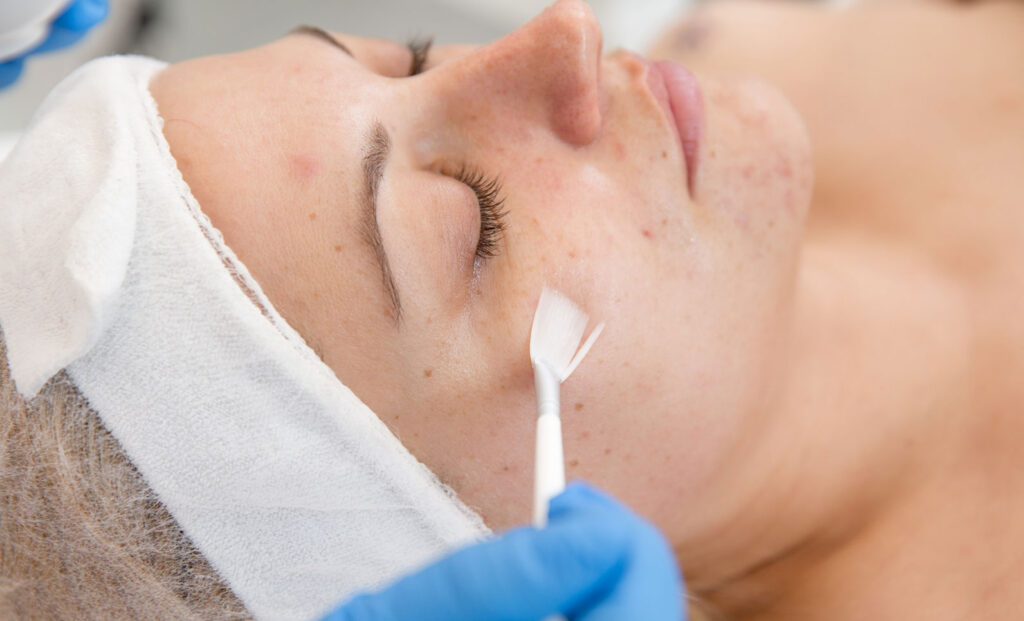
You’ve had IPL, a chemical peel, or microneedling, and now your skin needs a little extra care. Does sun protection matter if it’s cloudy or snowy? And how long should you avoid direct sunlight?
The short answer: it depends on your treatment and your provider’s instructions. The first week is a helpful time to be especially mindful, but it isn’t a one-size-fits-all recovery timeline. Keep reading for practical ways to protect your skin while it heals.
Your provider’s aftercare instructions come first. Treatment settings, peel depth, skin condition, and your individual response can all affect what you should do and when. If this general guidance differs from your instructions, follow your provider’s plan and contact them with questions.
Why treated skin needs extra sun protection
IPL, peels, and microneedling work in different ways, but each can leave skin temporarily more sensitive or reactive. IPL delivers light energy to targeted areas. A peel exfoliates the skin’s surface, and microneedling creates tiny channels in the skin. During recovery, your skin may be red, tender, flaky, or more easily irritated than usual.
That’s one reason sun avoidance is stricter than your everyday routine right after a resurfacing or pigment-focused treatment. Ultraviolet exposure can irritate recovering skin, and inflammation may contribute to unwanted color changes. Your provider can tell you what level of protection is appropriate for your procedure and your skin.
At Uplift Aesthetics, the IPL aftercare guidance and VI Peel aftercare instructions outline treatment-specific recommendations. A SkinPen microneedling recovery plan may be different again.
How long should you avoid the sun?
There isn’t one universal “week after treatment” rule. The appropriate window depends on the treatment, its intensity, how your skin is healing, and your provider’s instructions.
For example, Uplift’s IPL page advises avoiding sun exposure for at least a week after treatment and also lists a three-week period without direct sun before and after IPL. The VI Peel page advises avoiding products other than those instructed for one week, while the peel can flake or crust for up to a week. Your specific treatment plan may have additional guidance.
Ask your provider these questions before you leave:
- How long should I avoid direct sunlight?
- When may I apply sunscreen, and which type should I use?
- When can I return to my regular skincare products?
- What should I do if I have to be outdoors?
Until you get a clear answer, don’t assume that “one week” applies to every treatment or that sunscreen is appropriate immediately. Some procedures call for avoiding certain products in the earliest healing period. Your provider can confirm when and how to use them.

Yes, winter sun and snow count
A chilly day can feel less sunny, but UV exposure doesn’t disappear in winter. Snow can reflect sunlight, and time outside for errands, dog walks, or a quick trip across a parking lot still adds up. The American Academy of Dermatology’s winter sun guidance recommends sun protection even when the weather is cold or cloudy.
After a treatment, plan for winter conditions as carefully as you would a summer outing:
- Choose shade when possible. Take breaks indoors and avoid lingering in direct sun while your skin is healing.
- Wear a hat that shades your face. A brim provides a useful physical barrier. Sunglasses can help protect the skin around your eyes.
- Use protective clothing. A scarf or other comfortable coverage can help shield treated areas, as long as it doesn’t rub or irritate them.
- Follow your provider’s sunscreen instructions. When they say sunscreen is okay, use a broad-spectrum product with at least SPF 30 unless they recommend something different. Reapply as directed, often every two hours outdoors and after sweating or getting wet.
If sunscreen is not yet permitted, or it stings, don’t force it onto healing skin. Use shade and physical coverage, and contact your provider for advice.

Keep your routine gentle, and leave peeling skin alone
It can be tempting to speed up flaking or smooth away rough patches. Resist the urge! Picking, peeling, scrubbing, or exfoliating can irritate healing skin. Let flakes come away on their own and stick to the products your provider has approved.
For the first several days, or for the full recovery period your provider gives you, avoid adding products just because they’re part of your normal routine. Retinoids, exfoliating acids, scrubs, and other potentially irritating products may need to wait. The right pause depends on the treatment and your skin’s recovery, so ask before restarting them.
A simple recovery checklist:
- Cleanse only as instructed, using gentle pressure.
- Apply only the products your provider has approved.
- Don’t pick, pull, or scrub at flakes or crusts.
- Keep hands clean before touching the treated area.
- Ask before resuming exfoliants, retinoids, or other active ingredients.

When should you call your provider?
Some redness, sensitivity, or flaking may be expected after certain treatments. What’s expected for you depends on the procedure and your care plan. Contact your provider if you notice blistering, redness that spreads or worsens, or pigment changes that concern you. Also reach out if your skin is reacting unexpectedly to a product or you’re unsure whether a symptom is part of normal healing.
When you call, be ready to share which treatment you had, when you had it, what you’re noticing, and what products you’ve applied. Your provider can help you decide on the next step. If symptoms feel severe or urgent, seek appropriate medical care.
A little planning makes aftercare easier
Before your appointment, check your calendar for outdoor plans, sports, or time in the snow. Keep a hat and sunglasses handy, and ask for written aftercare instructions before you head home. If something is unclear, a quick message to your provider is better than guessing.
Sun protection is an important part of caring for treated skin, but it can’t guarantee a particular outcome. The most helpful approach is to follow your individualized instructions, avoid unnecessary sun exposure while healing, and be gentle with your skin. For details about Uplift’s treatment-specific guidance, visit the IPL, VI Peel, and SkinPen microneedling service pages, or contact your provider with questions.