You have tried brightening serums, changed your skincare routine, and become very familiar with sunscreen. Yet those brown or grayish patches still seem to return.
So, could a VI Peel for melasma help you achieve a more even-looking complexion? And what should you realistically expect from the treatment?
The honest answer is yes, a VI Peel may significantly improve the appearance of melasma: but it is not a permanent cure or a one-time magic eraser. Melasma is persistent by nature. The best results usually come from combining professional treatment, consistent home care, and daily sun protection.
Keep reading and find out more about VI Peel for melasma, realistic results, recovery, and long-term maintenance.
What Is Melasma?
Melasma is a common skin condition that causes uneven patches of brown, tan, or grayish pigment. It most often appears on the:
- Cheeks
- Forehead
- Upper lip
- Nose
- Chin
- Jawline
Melasma can affect just about anybody, but it is more common in women and in people with medium to deeper skin tones. Hormonal changes, sun exposure, heat, genetics, and certain medications may all play a role.
Unlike a simple sunspot, melasma involves pigment-producing cells that can become especially reactive. That is one reason the condition can be so frustrating. Even when the visible pigment fades, those cells may still respond to ultraviolet light, heat, or hormonal changes by producing more pigment.
In other words, melasma is not simply “dirty” or damaged skin sitting on the surface. It is a complex, recurring condition that requires a thoughtful approach.
How Does a VI Peel Work for Melasma?
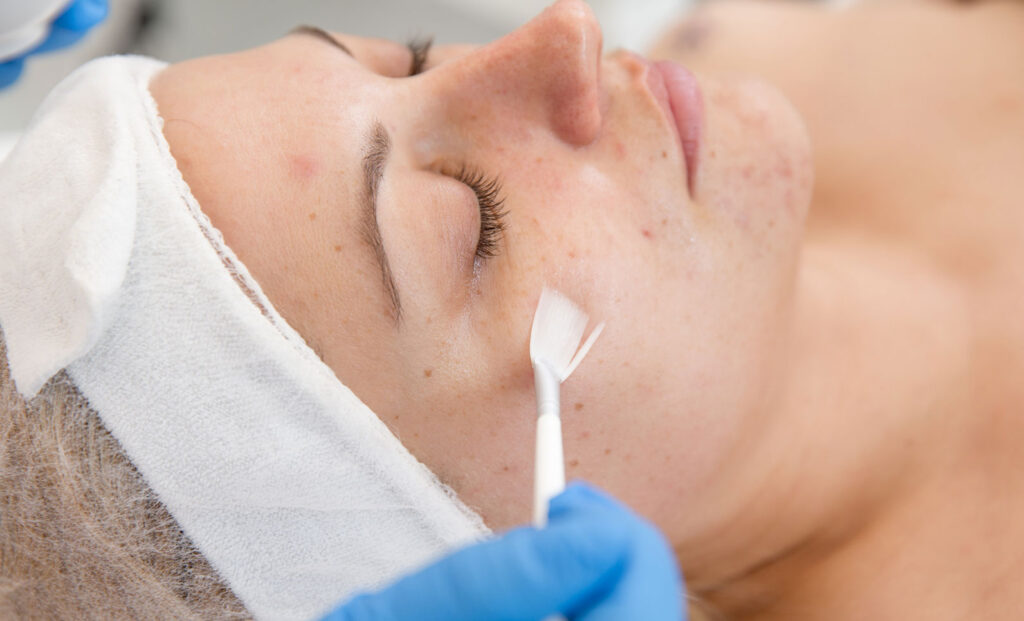
A VI Peel is a medical-grade chemical peel designed to improve uneven tone, texture, acne, fine lines, and hyperpigmentation. Depending on your skin concerns, your provider may recommend a melasma-focused formula such as VI Peel Precision Plus.
The peel uses a blend of active ingredients, which may include:
- Trichloroacetic acid, or TCA
- Salicylic acid
- Retinoic acid
- Phenol
- Vitamin C
These ingredients work together to loosen and remove damaged surface skin cells while encouraging a more even-looking complexion underneath. Some ingredients also help support a brighter appearance by addressing excess pigment production.
Uplift Aesthetics describes the VI Peel as a treatment that promotes cellular turnover and revitalizes the appearance of your skin. You can learn more about the treatment on the VI Chemical Peel service page.
Here is the important distinction: a peel can help fade visible pigment, but it cannot permanently switch off the factors that trigger melasma. That is why professional treatments and maintenance skincare need to work together.
What Is a VI Peel Treatment Like?
The appointment itself is relatively quick and can often fit into a busy schedule. Your provider will first evaluate your skin, discuss your goals, and determine whether a VI Peel is appropriate for your current skin condition.
During treatment, your skin is cleansed and prepared before the peel solution is applied. You may notice warmth, tingling, or mild stinging at first. Most people describe the sensation as manageable, but your experience can vary.
After the solution is applied, you will receive specific aftercare instructions. Depending on the formula and your provider’s protocol, you may leave the peel on for several hours before gently washing it off at home.
Typical recovery may include:
- Mild tightness or dryness
- Temporary redness
- A slightly darker or tanned appearance
- Peeling or flaking beginning around day two or three
- Visible peeling that often lasts several days
- Fresher-looking skin after approximately one week
Not everyone peels dramatically, and visible peeling is not the only sign that a peel is working. Your skin may still be undergoing cellular exfoliation even if you do not experience large flakes.
What Results Are Realistic?
Many people notice brighter, smoother-looking skin after one VI Peel. You may also see some improvement in the appearance of uneven pigmentation.
However, melasma often requires patience. One peel may create a noticeable improvement, but it may not fully fade long-standing or deeper pigment. Your results can depend on:
- How long you have had melasma
- Whether the pigment is primarily superficial or deeper in the skin
- Your skin tone and sensitivity
- Hormonal changes
- Your sun and heat exposure
- Your home skincare routine
- How consistently you follow aftercare instructions
The official VI Peel Melasma Reduction System explains that melasma is complex and stubborn. Pigment may even appear darker temporarily before it begins to improve as it moves toward the surface of the skin.
That can be unsettling, but it does not necessarily mean the treatment failed. Your provider should explain what is normal for your skin and when to reach out with concerns.
How Many VI Peels Might You Need?
There is no universal number of treatments for every person. In general, a series of three to six peels may be recommended for optimal improvement, with treatments commonly spaced about four to six weeks apart.
Your plan may include:
- An initial consultation and skin assessment
- A series of VI Peels spaced several weeks apart
- Pigment-correcting or supportive skincare between treatments
- Daily sunscreen and lifestyle adjustments
- Occasional maintenance treatments once your skin is more stable
Your provider may recommend a different schedule based on your skin’s response. More treatment is not always better, especially if your skin is irritated or prone to post-inflammatory hyperpigmentation.
The goal is controlled, gradual improvement: not aggressive treatment that creates unnecessary inflammation.
Why Sun Protection Matters So Much
If you have melasma, sunscreen is not optional. It is one of the most important parts of protecting your results.
Use a broad-spectrum sunscreen with at least SPF 30 every day. Many providers recommend SPF 50 during and after a peel series. Reapply every two hours when you are outdoors, sweating, or spending extended time in direct sunlight.
Additional habits can help:
- Wear a wide-brimmed hat
- Seek shade whenever possible
- Use sunglasses
- Avoid intentional tanning
- Limit direct sun exposure during the first seven days after a peel
- Follow your provider’s instructions about exercise, sauna use, and hot yoga
- Avoid unnecessary heat exposure when your melasma is active
Heat can be a trigger for some people with melasma, even when they are not experiencing obvious sunburn. During the peeling process, your provider may recommend avoiding strenuous workouts for several days or avoiding significant heat for the full seven-day recovery period.
Why Can Melasma Come Back?
A VI Peel can fade existing pigment, but melasma can recur because the underlying tendency toward pigment production remains.
Common triggers include:
- Ultraviolet exposure
- Heat
- Hormonal fluctuations
- Pregnancy or hormonal birth control
- Certain medications
- Skin irritation or inflammation
- Inconsistent sunscreen use
This does not mean you cannot enjoy time outside or live your normal life. It means you need a sustainable maintenance plan. A daily sunscreen routine, gentle skincare, and periodic professional treatments may help you keep your results looking more even over time.
Think of melasma management as an ongoing partnership with your skin: not a single appointment with a finish line.
Is VI Peel Safe for All Skin Tones?
VI Peel treatments are designed to be safe and effective for all skin tones when the appropriate formula is selected and the treatment is performed by a trained provider. Still, every skin type has individual needs.
People who are prone to melasma or post-inflammatory hyperpigmentation may need a more cautious approach. Your provider may adjust the timing, formula, or home-care recommendations to reduce unnecessary irritation.
A VI Peel may not be appropriate if you are pregnant or breastfeeding, have an active cold sore or open wound, recently used isotretinoin, or have certain allergies or medical conditions. Be sure to share your complete health and skincare history during your consultation.
Do not purchase or apply a professional VI Peel at home. VI Peel products are intended to be applied by trained providers, and the official VI Peel FAQ recommends professional application.
VI Peel Woodbury and VI Peel St Paul
If you are searching for VI Peel Woodbury or VI Peel St Paul, Uplift Aesthetics serves clients throughout the east metro from its Oakdale location.
Whether you are addressing melasma, sun damage, uneven tone, or overall skin texture, your treatment plan should begin with a personalized assessment. The right approach may include a VI Peel, medical-grade skincare, or a combination of treatments based on your goals.
You can also explore Uplift’s medical-grade skincare options to support your skin between appointments.
The Bottom Line
A VI Peel for melasma can help fade stubborn pigment and create a smoother, brighter, more even-looking complexion. But the most realistic expectation is improvement and control: not a permanent cure.
For the best chance of maintaining your results:
- Plan for a series of treatments if recommended
- Follow your aftercare instructions carefully
- Wear broad-spectrum SPF 30 or higher every day
- Consider SPF 50 during your peel recovery
- Avoid excess heat and direct sun exposure
- Use supportive skincare consistently
- Understand that maintenance may be necessary
Ready to explore whether a VI Peel is right for your skin? Book Now with Uplift Aesthetics to connect with a knowledgeable provider and create a plan that fits your goals, schedule, and skin needs.
Your skin can look more even, radiant, and refreshed: and a thoughtful plan can help you get there safely!