If “salmon DNA” sounds like a surprising ingredient for a facial, you’re not alone. Could VAMP PDRN be a way to support smoother-looking, more hydrated skin, without changing your features? And what does the treatment actually involve?
Here’s the friendly, no-hype guide. We’ll explain what PDRN is, what a VAMP treatment may do, what the research can, and can’t, tell us so far, and what to ask before booking. Keep reading and find out more!
What is VAMP PDRN?
VAMP Advanced is described by its manufacturer as a topical skin-revitalizing solution containing polydeoxyribonucleotide, or PDRN, along with ingredients such as hyaluronic acid, vitamins, amino acids and minerals. Its PDRN is described as purified DNA fragments sourced from salmon.
That doesn’t mean salmon DNA becomes part of your face. PDRN is a material made up of DNA fragments, and interest in it comes from research into how it may support skin-repair processes. The important distinction: a product’s proposed mechanism and ingredient list are not proof that it delivers a particular cosmetic result.
How is the VAMP PDRN facial performed?
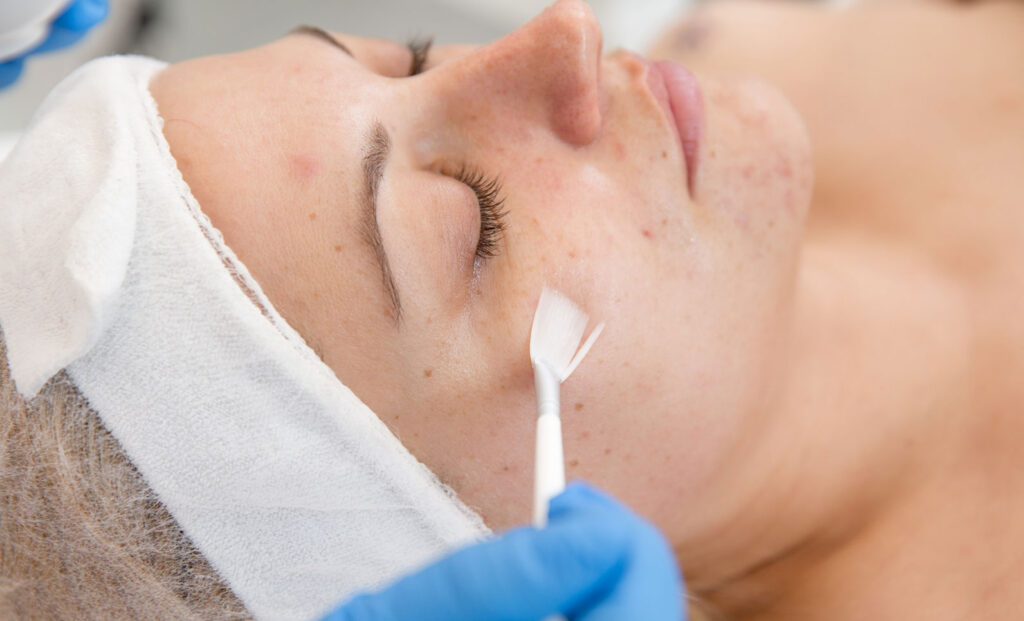
VAMP is often discussed alongside microneedling. Microneedling creates tiny, controlled channels in the skin as a practitioner moves a pen-like device across the treatment area. A topical product may then be applied as part of the treatment, depending on the provider’s protocol and the product’s intended use.
A session typically begins with a discussion of your goals, health history and skin. The provider cleanses the area and may apply numbing cream before microneedling. Temporary redness, sensitivity or a sunburn-like look can follow. The SkinPen microneedling page from Uplift Aesthetics describes a treatment process that includes numbing cream and notes that some clients have up to 24–48 hours of downtime. Your experience and recovery can vary.
There’s an important safety detail here: the FDA says microneedling devices are not authorized for delivering cosmetics, topical medications, vitamins or blood products into the skin. It also says the risks of combining a device with other products may not be known. So, if a provider proposes applying a serum during or after microneedling, ask what product they’re using, how it is intended to be used, and how they address the uncertainties. Read the FDA’s microneedling guidance and discuss your questions with a qualified health professional.
What might it do for your skin?
VAMP PDRN is positioned as a skin-quality treatment, not a way to add facial volume or freeze muscle movement. The intended cosmetic focus is things such as hydration, texture and a refreshed-looking glow. These are goals, not guaranteed outcomes.
Why the interest? PDRN and related polynucleotide products are being studied in skin care and aesthetics. Some research suggests possible benefits, but studies of different formulations or delivery methods don’t automatically prove that VAMP itself works in the same way.
A 2025 randomized study followed 24 women who received two microneedling sessions, three weeks apart, using either salmon PDRN or PRP. Both groups showed improvement in wrinkle and pigmentation scores at the six-week assessment. The PDRN group showed a greater reduction in wrinkle scores, while pigmentation results did not significantly differ between groups. The study was small and short-term, and it did not establish the results of the VAMP product specifically. You can read the published study.
A separate VAMP-specific study is registered on ClinicalTrials.gov. The study record describes an evaluation of skin hydration, but a completed study is not the same as published results. Until results are available and reviewed, VAMP-specific evidence remains developing.

Who might consider it, and who should pause?
You might explore a PDRN facial if you’re interested in supporting the appearance of skin texture and hydration and you’re comfortable with a treatment whose evidence is still emerging. Just about anybody considering a procedure should start with an individualized conversation, not a promise based on a trend.
Microneedling may not be appropriate for everyone. Tell your provider about active skin irritation or infection, a history of cold sores, bleeding concerns, medications, immune conditions, allergies and whether you’re pregnant or breastfeeding. The FDA lists several health factors that may affect suitability. A provider can review your circumstances and help decide whether to proceed, modify the plan or consider another approach.
If you have a fish-derived ingredient allergy, specifically ask about the product’s source and ingredient labeling before treatment. Don’t assume a topical product is suitable simply because it is used in a facial.
How many sessions are typical?
There isn’t one proven VAMP schedule that applies to everyone. The small 2025 study of a different salmon PDRN formulation used two sessions three weeks apart. Uplift’s general SkinPen microneedling information describes a typical series of three treatments spaced three to six weeks apart, but that is general microneedling guidance, not a validated VAMP protocol.
Your provider should explain the proposed schedule, why they recommend it, when to assess progress and what maintenance might involve. If the plan sounds unusually intensive or promises a dramatic, guaranteed change, it’s reasonable to ask for a clearer explanation.
What VAMP PDRN is not
VAMP PDRN is not a volume-adding treatment, and it doesn’t work by relaxing the muscles responsible for expression lines. If your main goal is a noticeable change in facial contours or movement, ask a qualified provider about options that match that goal.
It’s also different from PRP, which uses platelet-rich plasma prepared from your own blood. These treatments involve different materials and protocols, so one shouldn’t be treated as a direct substitute for the other.

Questions to ask at a consultation
A thoughtful consultation should leave you informed, not rushed. Consider asking:
- What exact product will be used, and can I review its ingredient information?
- Is it intended for the way you plan to use it?
- What device and treatment protocol will you use?
- What short-term reactions and less common risks should I understand?
- How will you decide whether I’m a good candidate, including if I have sensitive skin or a fish allergy?
- How many sessions are you recommending, and what evidence supports that schedule?
- What results are realistic, and what might this treatment not change?
- What should I do before and after treatment, including sun protection?
A careful, confident next step
VAMP PDRN is an interesting development in medical aesthetics, and early research on PDRN-related treatments offers reasons for continued study. But the evidence is still developing, and promising signals from a small study aren’t a guarantee of VAMP-specific results.
If you’re considering a VAMP PDRN treatment at a Woodbury med spa, start with a provider who will explain the product, the protocol, the limits of the research and your personal risks in plain language. At Uplift Aesthetics, you can ask the team about your skin goals and whether a service such as microneedling is appropriate for you. The best plan is one that fits your skin, your schedule and your comfort level, so you can take care of yourself with confidence.