You’ve built a skincare routine, or you’re ready to start one, but wonder whether an in-clinic treatment could add something different. Could a PRP facial be worth considering if you want to support smoother-looking skin? And does it replace the retinoid, vitamin C, and sunscreen you already use?
The short answer: they do different jobs. A thoughtful home routine is the foundation of everyday skin care. A PRP facial with microneedling is a professional treatment that works through controlled micro-injuries at a different depth. Neither replaces the other, and PRP’s results can vary. Keep reading to learn what the treatment involves, what the evidence says, and what to consider before booking.
What is a PRP facial with microneedling?
PRP stands for platelet-rich plasma. A clinician takes a small sample of your blood and processes it to separate platelet-rich plasma, which contains growth factors involved in the body’s natural repair processes.
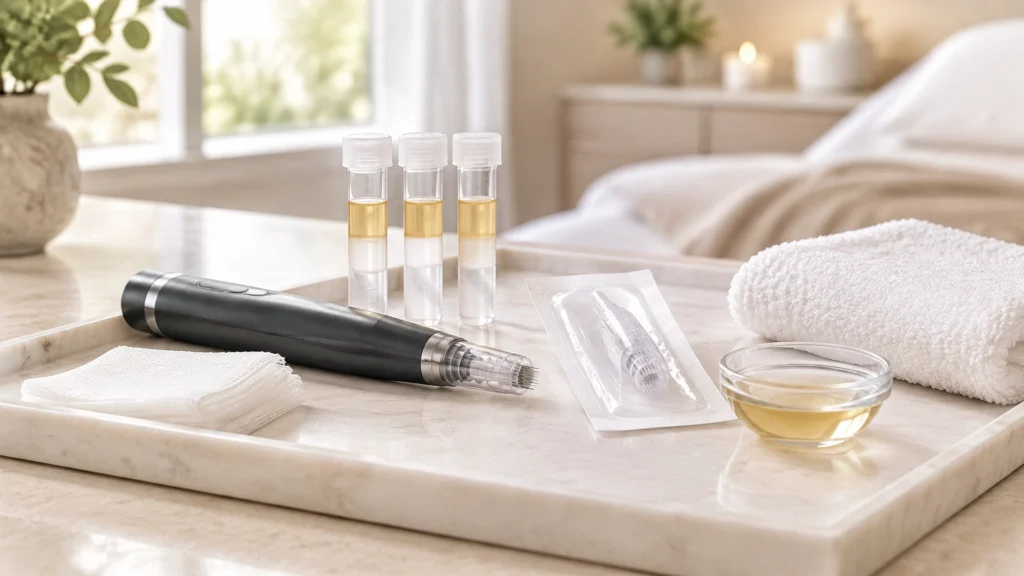
In a PRP facial, the plasma is used alongside microneedling. A professional microneedling device creates tiny, controlled punctures in the skin. A process often called collagen induction therapy because the skin’s repair response may support collagen remodeling. PRP may be applied during the treatment, depending on the clinic’s protocol.
At Uplift Aesthetics, PRP is described as an add-on to SkinPen microneedling. The clinic also offers PRP services in Oakdale. If you’re comparing options for PRP Woodbury MN, keep in mind Uplift’s medical aesthetics clinic is in Oakdale and serves Woodbury and nearby communities.
One important detail to ask about: how the clinic uses PRP with the device. The FDA notes that microneedling devices are not approved for delivering blood products such as PRP into the skin, and that risks of combining microneedling devices with other products have not been established. A qualified provider should be ready to discuss the procedure, device, protocol, potential benefits, and uncertainties with you.

What your home routine can, and can’t, do
Good daily skin care matters. It helps support your skin over time and can be easier to keep up with than a series of appointments. Three familiar ingredients have different roles:
- Retinoids encourage skin-cell turnover and may help improve the appearance of fine lines and uneven texture with consistent use. They can irritate skin, so it’s often best to introduce them gradually and follow your prescriber’s guidance.
- Vitamin C is an antioxidant that may help protect skin from some environmental stressors and improve the appearance of uneven tone.
- Broad-spectrum SPF 30 or higher helps protect against UV exposure, a major contributor to visible skin aging. Apply it daily and reapply when you’re outdoors.
These products work at the skin’s surface and within its normal renewal processes. They do not create the same controlled micro-injuries as in-clinic microneedling. Conversely, a treatment does not provide daily protection from UV exposure or replace the consistency of your home routine.
So, think of your routine as the everyday foundation and a professional treatment as a possible add-on, not an either-or choice. You can also ask a clinician whether your current products make sense for your skin and treatment goals.
What does the evidence say about PRP and collagen?
The idea behind collagen induction therapy is that controlled micro-injuries prompt a wound-healing response that may support collagen remodeling. PRP contains growth factors associated with healing, which is why it’s used in some microneedling protocols.
But a plausible mechanism isn’t a guarantee of visible results. Research on PRP for facial rejuvenation is still limited and varies in its methods. A 2024 review of systematic reviews found that the available evidence was not strong enough to draw firm conclusions about PRP’s benefits for facial rejuvenation. Results may differ by person, treatment protocol, and the concern being addressed.
That’s why it’s worth having a specific, realistic conversation about your goals. Ask what changes are reasonable to expect, how many sessions your provider recommends, and how they’ll assess whether the treatment is right for you.
What to expect at a session
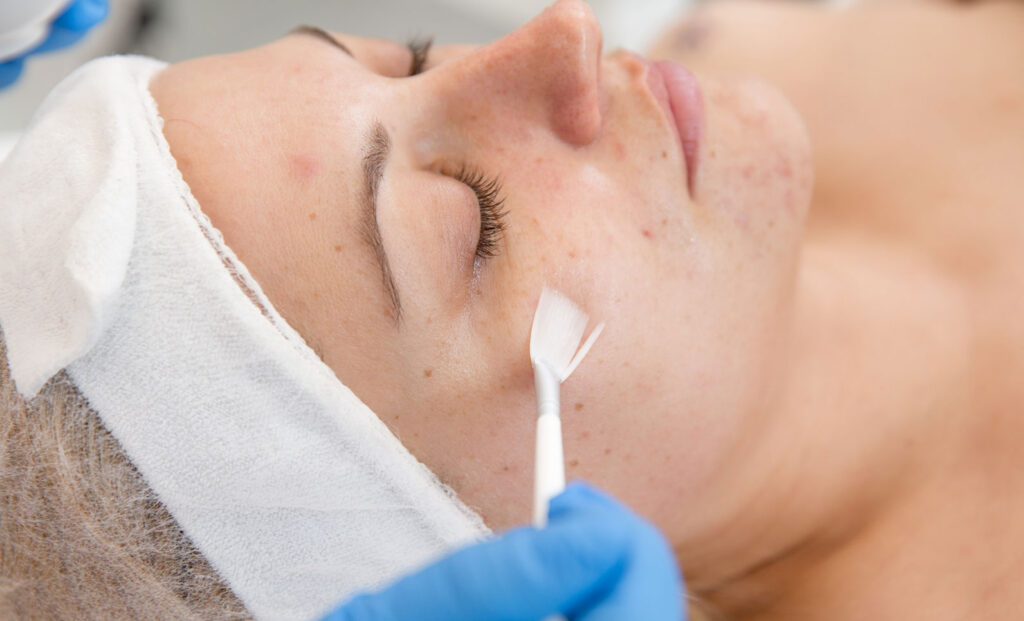
At a Woodbury med spa or medical aesthetics clinic, the process typically starts with a consultation. Your provider will ask about your goals, health history, medications, skin concerns, and previous treatments. If the treatment is appropriate, blood is drawn and processed to prepare the PRP. The skin is cleansed, and a topical numbing cream may be used before microneedling.
The microneedling portion of a SkinPen appointment at Uplift is described as taking about 30 minutes, though your full visit may take longer. You may feel pressure, warmth, or prickling during treatment. Ask ahead about comfort options and whether your visit includes PRP.

Plan for temporary redness and sensitivity afterward. Uplift lists 24 to 48 hours of downtime for SkinPen microneedling; some people may look flushed or feel dry for longer. The FDA also lists possible side effects such as tightness, peeling, discomfort, bruising, and, less commonly, infection or pigment changes. Results are not immediate, and more than one session may be recommended. Your provider can outline timing based on your skin and treatment plan.
Follow your clinic’s aftercare instructions. Uplift advises avoiding retinoids and active products such as vitamin C for three days before microneedling, and avoiding direct sun exposure or tanning for a week afterward. After treatment, the clinic recommends gentle cleansing and avoiding strenuous exercise for three days. Your provider will tell you when to restart active products and sunscreen; once permitted, daily broad-spectrum SPF 30 or higher remains an important part of skin care.
Who may be a good candidate?
You might consider a consultation if you’re interested in gradual improvement in texture or the look of certain scars and understand that results are variable. A good candidate is someone whose goals match what the treatment may realistically offer and who can follow preparation and aftercare guidance.
PRP microneedling isn’t right for everyone. Tell your provider if you have active skin irritation or infection, a history of poor wound healing or raised scarring, a bleeding or clotting concern, take blood-thinning medication, are pregnant or breastfeeding, or have another condition that could affect healing. The FDA also lists other factors that may make microneedling unsuitable. This doesn’t replace an individualized assessment. Your clinician should review your health history before treatment.
A home routine can suit just about anybody, but an in-clinic procedure requires a more careful suitability check. That’s a reassuring part of the process: the goal is to choose an approach that fits your skin, schedule, and comfort level.
A practical way to decide
If your routine has been inconsistent, start with the basics: gentle cleansing, moisturizer if needed, and daily SPF. Ask a qualified provider how a retinoid or vitamin C might fit your skin and lifestyle. If you’re already consistent and curious about a professional option, ask about microneedling with PRP, the evidence and limitations, the clinic’s protocol, downtime, and total number of recommended visits.
A PRP facial isn’t a substitute for good skin care, and a good routine doesn’t do exactly what an in-clinic procedure does. They can complement each other when the treatment is appropriate for you. If you’re exploring PRP in the Woodbury area, a consultation with the Uplift Aesthetics team in Oakdale can help you discuss your options without pressure.