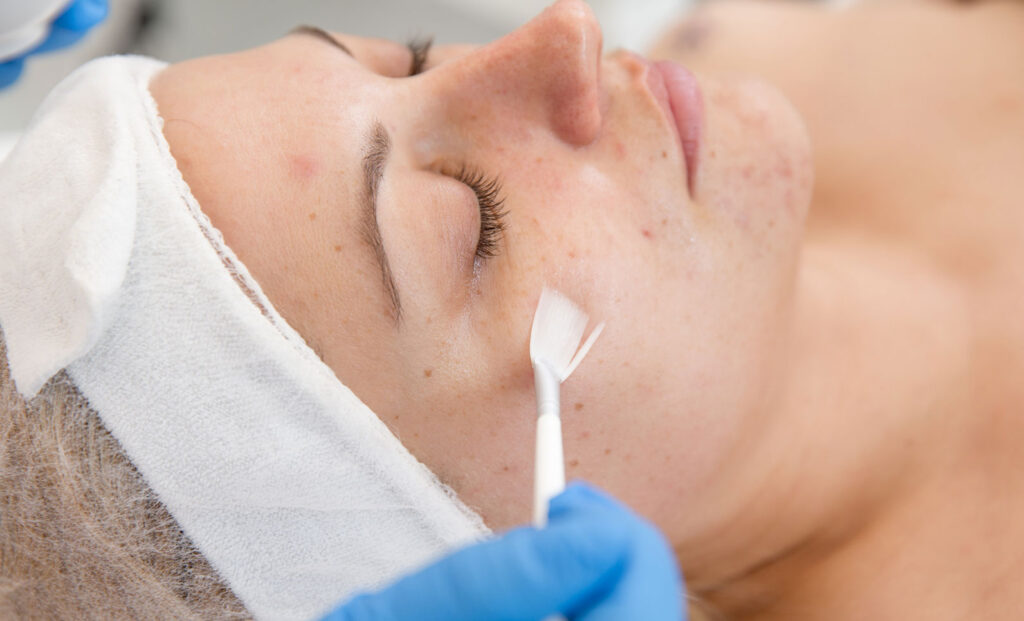

Could a few small injections now help you maintain smoother-looking skin later? Or is “preventative Botox” simply another recurring expense in an already crowded beauty budget?
The honest answer is: it depends on your goals, your facial movement, your budget, and your expectations. Preventative Botox may be worthwhile for some people. For others, daily sunscreen, consistent skincare, and occasional treatments may offer a better fit.
Keep reading and find out more about what preventative Botox can, and cannot, do!
What Does “Preventative Botox” Actually Mean?
“Preventative Botox” is not a separate medication. It usually refers to using a neuromodulator, such as Botox, Dysport, or Jeuveau, when dynamic lines are still relatively fine or only appear during facial movement.
These products temporarily reduce the nerve signals that tell specific muscles to contract. When those muscles relax, movement-related lines may look softer.
The theory behind preventative Botox is simple:
- Repeated frowning, squinting, and raising your brows can contribute to creases.
- Relaxing those muscles may reduce how deeply lines form over time.
- Smaller doses may create a subtle, natural-looking result while allowing facial expression.
At Uplift Aesthetics, neurotoxins are used to treat dynamic wrinkles, including forehead lines, frown lines, crow’s feet, and bunny lines. A consultation comes first so your provider can assess your facial anatomy and goals.
What Preventative Botox Can Do
Preventative Botox has some clear, realistic benefits.
It can soften dynamic lines
Botox works best on lines caused by muscle movement. These may include:
- Horizontal forehead lines
- “11” lines between the eyebrows
- Crow’s feet
- Bunny lines along the nose
- Certain chin lines
The treatment does not erase your facial expression. A conservative plan can help you look refreshed while still looking like yourself.
It may slow the deepening of certain creases
Some providers believe that reducing repeated muscle contraction can slow the transition from a line that appears only with movement to one that remains visible at rest.
There is some support for this idea, including clinical observations and small studies. However, long-term research is still limited. As Cleveland Clinic explains in its discussion of preventative Botox, the theory is reasonable, but there is not enough hard data to promise that Botox prevents wrinkles altogether.
That distinction matters. Botox may help reduce the appearance of lines today and may possibly slow their development. It is not a guarantee about how your skin will look decades from now.
It can provide a low-downtime option
A neurotoxin appointment is typically quick. Uplift Aesthetics notes that the injection process may take about 10 to 15 minutes, with no required downtime.
You may notice mild redness, swelling, or bruising. Most people return to normal activities right away, although aftercare instructions may include avoiding strenuous exercise for 24 to 48 hours and not rubbing the treated area.

What Preventative Botox Cannot Do
This is where balanced expectations become important.
It cannot stop natural aging
Your skin continues to change because of genetics, sun exposure, collagen loss, hormones, sleep, and many other factors. Botox only affects the muscle activity in the treated area.
It does not:
- Replace lost facial volume
- Treat sunspots or uneven pigmentation
- Improve every type of fine line
- Tighten loose skin
- Rebuild collagen throughout the face
- Stop wrinkles from ever developing
Lines caused mostly by dryness, sun damage, or skin laxity may need a different approach. Your provider may recommend skincare, chemical peels, laser treatments, microneedling, or another option based on your concerns.
It is temporary
Most cosmetic neurotoxin results last approximately three to four months, although your experience may vary. Uplift Aesthetics lists results lasting about three to four months on its Oakdale Botox page.
As the product wears off, muscle movement gradually returns. If you stop treatment, the effects fade. Your face does not suddenly “fall apart,” but the treated lines may gradually look as they did before treatment.
It cannot promise a specific future result
Preventative Botox is based partly on theory and provider experience. There is no reliable way to predict exactly how your face would have aged without treatment.
That means you may enjoy smoother skin now without ever knowing whether the injections changed your long-term outcome. For some people, the present-day benefit is enough. For others, the uncertainty makes the investment less appealing.
The Case For Preventative Botox
Preventative Botox may make sense if:
- You already see movement-related lines that bother you.
- You have strong facial muscle activity when you frown or squint.
- You have a family history of developing pronounced expression lines early.
- You want subtle softening rather than a dramatic change.
- You understand that maintenance is ongoing.
- The cost fits comfortably into your budget.
- You are willing to start conservatively and reassess.
For many women in their 30s, the goal is not to look different. It is to look rested and polished during busy workdays, presentations, events, and everyday life.
In your 40s, Botox is often both preventative and corrective. It may soften existing dynamic lines while limiting some of the repeated movement that contributes to deeper creases.

The Case Against Preventative Botox
It may not be the right choice if:
- You have minimal visible lines and they do not bother you.
- You are mainly concerned about skin texture, pigmentation, or laxity.
- You dislike the idea of regular injections.
- You would feel stressed about maintaining results.
- The recurring cost would compete with financial priorities.
- You expect Botox to prevent every sign of aging.
- You are pregnant, breastfeeding, allergic to the product, or have a medical condition that requires additional evaluation.
There is also a small risk of unwanted results, including asymmetry, brow heaviness, headache, bruising, or temporary eyelid drooping. Choosing an experienced medical injector and discussing your goals clearly can help reduce these risks.
A qualified provider should also respect your decision if Botox is not the best option for you. The goal is not to treat every line. The goal is to create a plan that feels appropriate and safe.
The Cost-Per-Year Math
Botox is typically priced by the unit, and your total depends on the treatment areas, muscle strength, dose, and clinic pricing. At Uplift Aesthetics, your provider gives you a cost estimate after assessing your goals and recommended treatment plan.
Here is a simple example using hypothetical numbers:
- 30 units per appointment
- $11 per unit
- Four appointments per year
30 units × $11 = $330 per appointment
$330 × 4 appointments = $1,320 per year
If you only treat one small area twice per year, your annual cost may be considerably lower. If you treat multiple areas three or four times per year, the total may be higher.
Also consider the time commitment. A treatment every three to four months may be convenient for you, or it may feel like another appointment to manage.
Ask yourself:
- Would I still choose this if the results lasted only three months?
- Do I prefer subtle improvement or maximum smoothing?
- Is this expense comfortable without sacrificing essentials?
- Would I rather invest in skincare, sun protection, or another treatment?
- Am I comfortable with the possibility of continuing for several years?
There is no universally correct answer!
Who Is Genuinely a Good Candidate?
Age alone should not determine whether you receive Botox. Just about anybody in their 30s or 40s may be curious about it, but candidacy depends more on your facial movement, medical history, and expectations.
You may be a strong candidate if you have:
- Early forehead or frown lines that appear with movement
- A desire for natural-looking softening
- Realistic expectations about temporary results
- A willingness to follow aftercare instructions
- No contraindications identified during your consultation
You may be better served by skincare or another treatment if your primary concerns involve sun damage, dullness, uneven texture, or loss of firmness. Daily broad-spectrum sunscreen, ideally SPF 30 or higher, remains one of the most practical ways to protect your skin from premature aging.
Questions to Ask at Your Consultation
Before moving forward, ask your provider:
- Which areas would you recommend treating, and why?
- What dose would you start with?
- Will I still be able to make natural facial expressions?
- How often would I likely need maintenance?
- What is the estimated cost per visit and per year?
- What side effects should I watch for?
- Could skincare or another treatment address my concern more effectively?
At Uplift Aesthetics, a consultation with a registered nurse helps determine whether neurotoxin treatment aligns with your goals. You can learn more about the Botox process or use the treatment planning tool to explore personalized recommendations.
The Bottom Line: Your Choice, Your Timeline
Preventative Botox is neither a guaranteed wrinkle-prevention strategy nor automatically a waste of money.
It can temporarily soften dynamic lines, require little downtime, and help you feel more confident. At the same time, the long-term preventative evidence remains limited, results require maintenance, and the cost can add up.
The best decision is the one that fits your face, your priorities, and your comfort level. A thoughtful consultation can help you weigh the potential benefits, limitations, risks, and yearly investment, without pressure.
Aging is normal, and you never have to treat a line simply because it exists. If you choose Botox, it should be because the result supports how you want to feel. If you choose to wait, your skincare routine and sun protection still give you a strong foundation for healthy-looking skin.