
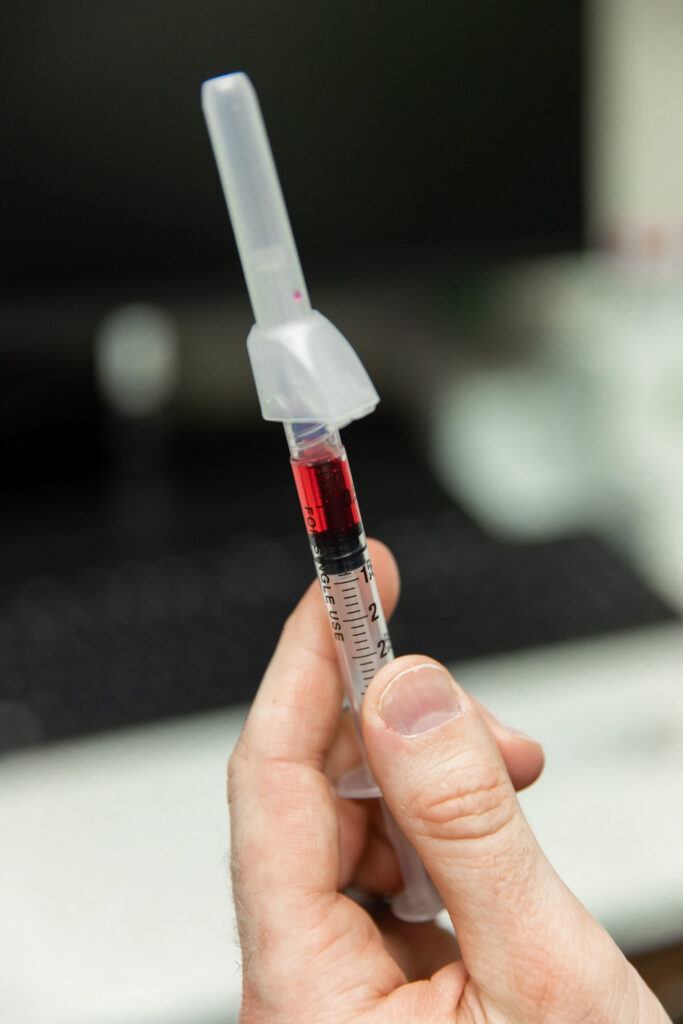
You have a full calendar, a demanding career, and probably more responsibilities than hours in the day. So, when you feel tired or unfocused, it is natural to wonder whether a vitamin B12 shot could help, or whether a simple pill would do the same thing.
Could a daily supplement fit more easily into your routine? Or would a quick injection be more practical if you are already juggling appointments, travel, family, and work?
The honest answer is that neither option is automatically “better” for everyone. The right choice depends on your B12 levels, the reason they may be low, how well your body absorbs nutrients, your budget, and what you can realistically maintain.
Keep reading and find out more about B12 shots versus pills before scheduling your first injection!
First, what does vitamin B12 do?
Vitamin B12, also called cobalamin, supports several important functions, including:
- Healthy red blood cell formation
- Normal nerve function
- DNA production
- Energy metabolism
- Brain and nervous system health
B12 deficiency can contribute to fatigue, weakness, numbness or tingling, balance changes, and cognitive symptoms. However, feeling tired does not automatically mean you have a B12 deficiency. Stress, poor sleep, anemia, thyroid conditions, medication side effects, and many other factors can cause similar symptoms.
That is why a provider should review your symptoms, medical history, medications, and, when appropriate, laboratory testing before you begin ongoing B12 injections.
The NIH Office of Dietary Supplements vitamin B12 fact sheet explains that B12 deficiency often results from absorption problems rather than simply not eating enough B12.

B12 shot versus pill: How absorption differs
How pills work
When you take an oral B12 supplement, your digestive system absorbs it through several steps. B12 from food must be released in the stomach and then combine with a protein called intrinsic factor before it can be absorbed in the small intestine.
Supplemental B12 is already in a form that is easier to use than B12 naturally bound to food proteins. High-dose oral supplements may also allow a small amount of B12 to pass through the intestinal wall by passive diffusion, even when normal absorption is limited.
For many people, a daily oral supplement can effectively improve B12 levels, especially when the deficiency is mild or moderate, the digestive tract is functioning normally, and the person takes the supplement consistently.
How shots work
A B12 injection bypasses the digestive tract. That can be useful when the body cannot absorb enough B12 through the stomach or intestines.
A shot may be considered when someone has:
- Pernicious anemia or reduced intrinsic factor
- A history of gastric or intestinal surgery
- Certain gastrointestinal conditions
- Significant or persistent deficiency
- Neurologic symptoms related to low B12
- Difficulty taking a supplement consistently
This does not mean every person with low B12 needs injections. In some cases, high-dose oral B12 can still be effective. Your healthcare provider can help determine whether your body is likely to absorb a pill reliably.
Which option is more convenient?
Convenience looks different depending on your lifestyle.
A pill may be more convenient if you:
- Already take a daily medication or supplement
- Prefer managing your wellness routine at home
- Have a flexible schedule but do not want another appointment
- Can remember to take your supplement consistently
- Have no known absorption concerns
The main challenge is consistency. A pill only works as part of a routine you can maintain. If your mornings are hectic or you travel frequently, it can be easy to forget.
A shot may be more convenient if you:
- Prefer a quick appointment instead of a daily supplement
- Have trouble remembering pills
- Want a provider to oversee the service
- Have a known or suspected absorption issue
- Already visit a med spa or wellness clinic regularly
At Uplift Aesthetics, the B12 injection itself typically takes under five minutes, and the service page lists no downtime. You can usually return to your normal activities afterward, although temporary tenderness, redness, swelling, or bruising may occur at the injection site. Learn more about B12 shots in Oakdale.
What about cost?
Cost is another practical difference.
An over-the-counter B12 pill is usually less expensive upfront. You may purchase a bottle and take it at home without an appointment. The total cost depends on the product, dose, brand, and how often you need to replace it.
A B12 shot generally costs more per administration because you are paying for the injectable medication, clinical supplies, provider time, and the appointment. Wellness injections may also not be covered by insurance in the same way medically necessary deficiency treatment might be.
Before choosing, ask:
- Is the service priced per injection or as part of a package?
- Will I need regular follow-up appointments?
- Should my primary care provider order lab work first?
- Is this being offered as a wellness service or treatment for a diagnosed deficiency?
- What ongoing schedule, if any, is appropriate for me?
There is no need to choose the more expensive option simply because it sounds stronger or faster. If oral B12 is appropriate and effective for you, a pill may be the most economical choice. If absorption or adherence is a concern, the additional cost of a shot may feel worthwhile.
Who tends to choose B12 pills?
People often choose oral B12 when they have a mild deficiency, a diet low in animal-based foods, or a preference for at-home supplementation.
A pill may be especially reasonable when:
- Your provider recommends oral supplementation
- You do not have major digestive or absorption concerns
- You can take it every day
- Your follow-up labs show that it is working
- You prefer the lowest-maintenance option
People following vegetarian or vegan diets may need to pay particular attention to B12 because naturally occurring B12 is found primarily in animal-based foods. Fortified foods and supplements can help, but your personal needs still depend on your overall diet and health history.
Who may choose B12 shots?
Shots may be preferred when a provider is concerned about absorption, deficiency severity, or reliable daily dosing.
They may be more appropriate for someone with:
- Pernicious anemia
- Previous bariatric, stomach, or intestinal surgery
- Certain small-intestinal conditions
- Ongoing low B12 despite oral supplementation
- Neurologic symptoms such as numbness, tingling, or balance changes
- A treatment plan that requires faster or more dependable replacement
Shots can also appeal to busy women who do not want another daily task. At Uplift Aesthetics, B12 injections are offered as a wellness service, with follow-up timing based on your symptoms, goals, and provider guidance.
Still, a shot should not be used to bypass a medical evaluation. If your B12 is low, identifying why matters just as much as replacing it.
What should you do before your first injection?
Before booking a recurring B12 shot, consider speaking with your primary care provider or another qualified medical professional about:
- Your current B12 level
- A complete blood count, if recommended
- Possible testing for methylmalonic acid or homocysteine
- Your diet and supplement history
- Medications such as metformin or long-term acid-reducing drugs
- Digestive symptoms or previous gastrointestinal surgery
- Any numbness, tingling, weakness, or balance changes
Bring a current list of medications and supplements to your appointment. You should also tell the provider if you are pregnant or breastfeeding, have allergies, or have previously reacted to an injection.
Do not stop prescription medications, aspirin, or blood thinners just to reduce bruising unless your prescribing clinician tells you to do so.

So, which is better: a shot or a pill?
For many people, the answer is simple:
- A pill may be best if your digestive system absorbs B12 normally, your deficiency is not severe, and you can take it consistently.
- A shot may be best if absorption is impaired, deficiency is significant, symptoms are concerning, or a provider recommends injectable replacement.
- Either option may be reasonable when your provider confirms that it fits your health history and monitors your response.
B12 is not a stimulant, and extra B12 is not proven to improve energy when your levels are already adequate. Correcting a true deficiency can support your health, but unexplained fatigue deserves a broader evaluation.
If you are considering B12 injections as part of your wellness routine, Uplift Aesthetics can review your goals and help you understand what to expect from the service. You can also use the treatment planning tool to explore your options.
The best choice is the one that is medically appropriate, financially comfortable, and realistic for your life. With the right information and professional guidance, you can choose your next step with confidence, not pressure!
This article is for general educational purposes and is not a substitute for diagnosis or treatment from your physician or another qualified healthcare professional. If you have severe fatigue, shortness of breath, chest palpitations, new numbness, weakness, or balance problems, seek medical care promptly.