Sun spots, redness, uneven tone: sun damage can show up in a few different ways. So, could a light-based treatment be the right fit for your brown spots, while a peel makes more sense for dullness and texture? And how do skin tone and downtime factor into the decision?
The short answer: IPL and VI Peel work differently, so the better choice depends on what you want to address and what your skin needs. Keep reading and find out more about each path.

IPL and VI Peel: What’s the difference?
IPL, or intense pulsed light, uses pulses of broad-spectrum light. The light targets pigment and visible redness. Your provider assesses your skin and chooses treatment settings based on your concerns and skin.
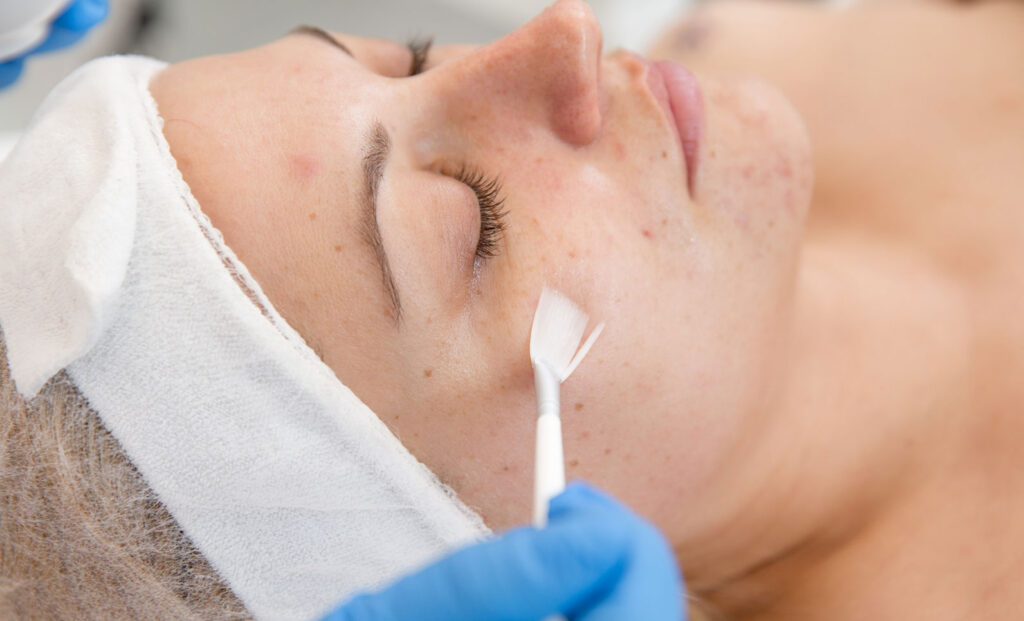
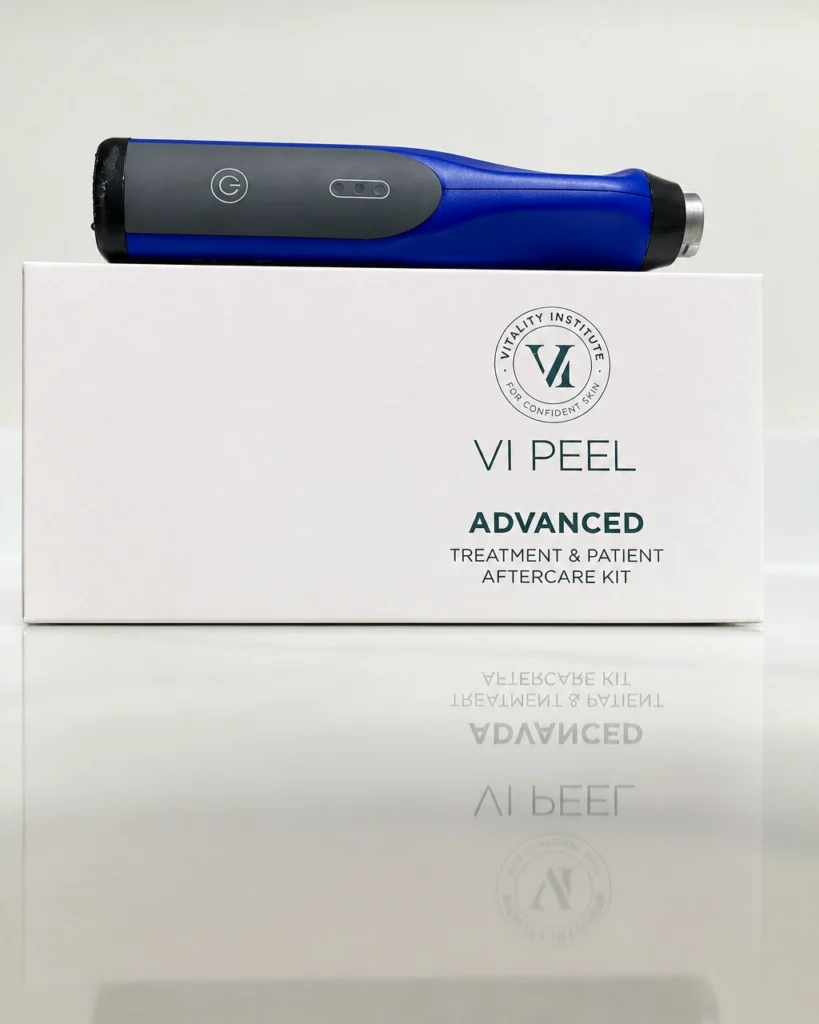
A VI Peel uses a topical chemical solution to exfoliate the skin’s surface. As the treated outer layer sheds, the peel can help improve uneven tone, dullness and some superficial texture concerns. Uplift offers different VI Peel formulas, which can be selected according to your skin and goals.
Neither treatment suits every concern, and neither can diagnose a spot. If a mark is new, changing, bleeding or rough and scaly, have a qualified medical professional assess it before considering a cosmetic treatment.
When IPL may be a better match
IPL may be worth discussing if your main concern is brown sun spots, diffuse redness or visible small vessels. Think of it as a more targeted light-based approach to color concerns, rather than a general surface-resurfacing treatment.
At Uplift, IPL uses the Lumecca device. The team describes a series of treatments, typically at least three, as common, though your plan depends on your skin and goals. A series of 3–6 sessions may be discussed depending on your assessment and response.
Downtime is often minimal compared with a peel, but “minimal” doesn’t mean nothing happens. Skin may look red or feel sensitive for a short time. Treated pigmented spots can darken and flake over the following days, and Uplift’s care guidance notes that flaking may continue for up to two weeks. You’ll also need to protect your skin from the sun and follow the aftercare instructions.
If you’re looking into IPL St Paul, the first step is a consultation, not assuming IPL is automatically right for every kind of discoloration.

When a VI Peel may be a better match
A VI Peel may be a better conversation if your goals are broader: more even-looking tone, brighter skin or improvement in superficial roughness and dullness. It may also be considered for certain types of discoloration, depending on the formula and your provider’s assessment.
A peel works by exfoliating the surface, so you should expect some visible shedding, not just a quick appointment and no sign of treatment. Uplift describes about one week of peeling downtime. The VI Peel manufacturer says peeling commonly starts around day three and lasts about three to four days, though each person’s experience varies. Plan for the possibility that visible flaking could affect your work or social calendar.
Follow the aftercare instructions closely. They include avoiding direct, intense sun exposure for the first seven days and using the recommended SPF 50 protection. Don’t pull or pick at peeling skin; let it shed as directed.
If you’re researching VI Peel Woodbury, a consultation can help determine whether a peel fits your concerns, skin history and schedule.

How does skin tone affect the decision?
Skin tone matters, especially when you’re considering IPL. The light used in IPL can also be absorbed by melanin, the pigment that gives skin its color. That means a recent tan or higher baseline pigmentation may affect how a provider approaches treatment and can raise the risk of unwanted pigment changes. Some people may need a more conservative plan, a test spot or a different treatment altogether.
A randomized study on IPL side effects found that pigmentation and treatment intensity influenced the likelihood of adverse effects. It’s a helpful reminder that treatment settings and individual skin characteristics matter. It does not mean IPL is automatically unsafe for everyone with a deeper skin tone; it does mean that careful assessment by an experienced provider is important.
VI Peel may be considered for a range of skin tones, but “chemical peel” does not mean “risk-free.” Irritation and post-inflammatory hyperpigmentation, darkening that can follow inflammation, are possible, particularly if the peel or aftercare isn’t a good fit for your skin. Your provider should review your skin history, current products, recent sun exposure and any tendency toward pigment changes before recommending either option.
For either treatment, be candid about recent tanning, past reactions, skin conditions and medications. It helps your provider make a thoughtful plan and set realistic expectations.
Quick comparison: IPL vs. VI Peel
| IPL | VI Peel | |
|---|---|---|
| How it works | Light energy targets pigment and redness | A topical solution exfoliates the skin’s surface |
| Often considered for | Brown spots, diffuse redness and some visible vessels | Uneven tone, dullness and superficial texture |
| Typical plan | Often a series; Uplift notes at least three sessions are common | One peel or a series, based on your needs |
| Downtime | Usually limited, though redness, sensitivity or flaking can occur | Visible peeling is expected; allow around a week |
| Key consideration | Skin tone, recent tanning and pigment-change risk | Peeling schedule, aftercare and sensitivity |
Could a plan include both?
Sometimes, a provider may recommend both treatments as part of a broader plan, but that doesn’t mean they should be done together or close together by default. Timing depends on your skin, the treatment area and how you respond. The VI Peel manufacturer’s FAQ advises checking with your practitioner about the timing of other treatments, including IPL.
Your provider can discuss whether one treatment should come first, how much time to leave between treatments and whether a single approach is enough for your goals. A personalized plan is especially important if you’re prone to pigment changes or have had a recent tan.
Which should you ask about first?
Consider asking about IPL if brown spots or redness are your primary concern and you’d prefer a treatment with generally limited visible downtime. Ask about VI Peel if you’re looking for broader surface exfoliation and can plan around several days of peeling.
Neither is a universal answer for sun damage. A Woodbury med spa consultation can help you compare the options against your skin tone, concerns, schedule and history. At Uplift Aesthetics, a team member can review what you’re hoping to address and talk through appropriate next steps in medical aesthetics, without pressure to choose a treatment that doesn’t feel right for you.
A few simple questions can help you get started:
- Are brown spots or redness the biggest concern, or is it overall tone and texture?
- Are you comfortable with visible peeling for about a week?
- Have you tanned recently or experienced pigment changes after irritation?
- What sun-protection and aftercare can you realistically follow?
Your answers can guide a more informed conversation and help you choose a plan that feels manageable. And whichever option you explore, daily sun protection is an important part of caring for your skin and maintaining your results.