
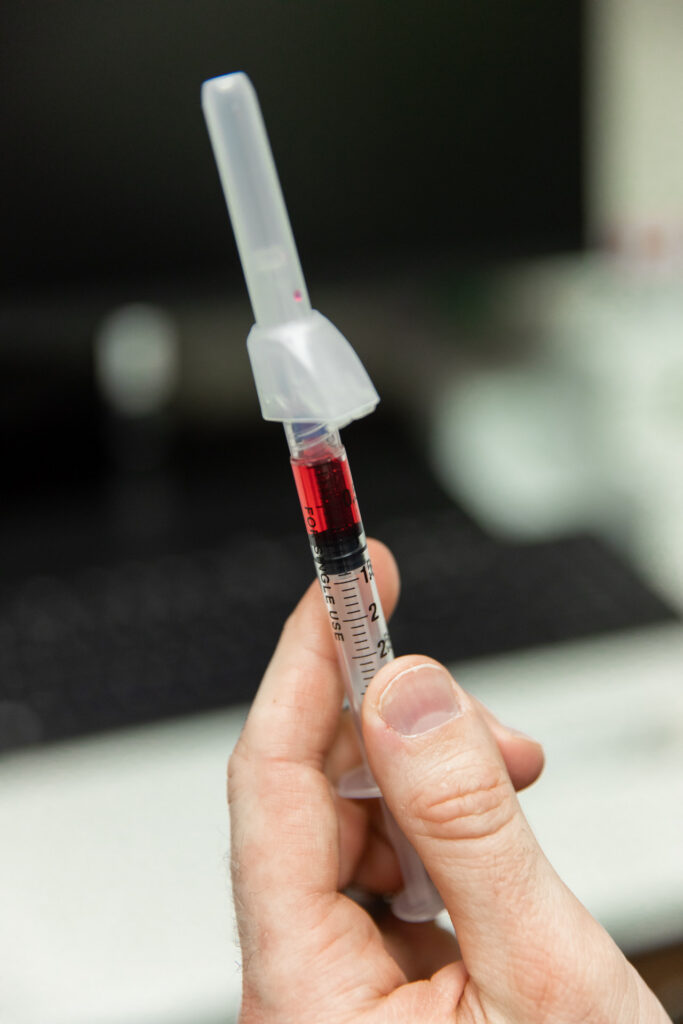
You’re busy, you’re doing your best, and yet you still feel tired, unfocused, or not quite like yourself. Could a B12 shot be the reset you’re looking for? How many B12 shots does it take before you actually feel a difference?
The honest answer is: it depends.
Some people notice a change after one injection. Others need a few appointments before they recognize a meaningful difference. Your starting B12 levels, diet, sleep, stress, overall health, and the reason for treatment all matter.
Keep reading and find out more about what people commonly report during the first 12 weeks, what B12 shots can and cannot do, and how to approach treatment safely.
The short answer: how many B12 shots before you feel a difference?
For general wellness support, many people report noticing a difference after one B12 shot, sometimes within a few days. Uplift Aesthetics notes that B12 results may last approximately one to four weeks, although your experience may vary.
That does not mean one injection works the same way for everyone.
A realistic range looks like this:
- After one shot: You may notice improved energy, focus, or overall well-being within several days.
- After two to four shots: You may begin to recognize a more consistent pattern, especially if injections are scheduled weekly or as needed.
- After four to six weeks: If you still feel no change, it may be time to reassess your symptoms, lifestyle, and whether B12 is the right option for you.
- By 8 to 12 weeks: You and your healthcare provider can evaluate whether continued injections make sense.
If you have a confirmed vitamin B12 deficiency, your treatment schedule may be very different. Medical treatment for deficiency can involve more frequent injections at first, followed by maintenance treatment. That plan should come from your medical provider rather than a generic timeline.
Why your B12 response can vary
B12 is a water-soluble vitamin that supports normal red blood cell development and nervous system function. It also plays a role in how your body uses energy.
Still, B12 is not a universal solution for every type of fatigue. Just about anybody can feel tired, but not everybody has a B12 deficiency.
Your response may depend on:
- Your baseline B12 level
- Whether you have a true deficiency or simply want wellness support
- Your diet, including whether you eat animal products or fortified foods
- Absorption concerns involving your digestive system
- Certain medications, including some acid-reducing medications and metformin
- Sleep quality and stress levels
- Iron, folate, thyroid, or other health concerns
- How long you have experienced symptoms
If your B12 level is already in a healthy range, you may not experience a dramatic change. If B12 deficiency contributes to your symptoms, replacement may feel more noticeable.

A realistic 12-week B12 shot timeline
Everyone responds differently, so think of this as a practical framework, not a promise.
Day 1: Your appointment
A B12 injection is quick. At Uplift Aesthetics, the injection itself can be completed in under five minutes, and you can generally return to your usual activities afterward.
During your visit, your provider may discuss:
- Your current symptoms
- Your wellness goals
- Relevant health history
- Medications and supplements
- Whether B12 is appropriate for you
- How often a follow-up may be helpful
You may have mild tenderness, redness, or swelling at the injection site. These effects are usually temporary.
Days 1–3: Early changes may begin
Some people report feeling more alert or energized within the first few days. Uplift Aesthetics describes B12 injections as fast-acting, while the NHS explains that hydroxocobalamin begins working right away but that symptoms may take days or weeks to improve.
You might notice:
- Slightly better energy
- Improved concentration
- Less sluggishness
- A more positive sense of well-being
You might also notice nothing yet. That is normal. Avoid judging the treatment based on one afternoon, or one especially stressful workday!
Week 1: Look for subtle improvements
By the end of the first week, pay attention to patterns rather than dramatic changes.
Ask yourself:
- Do you feel less drained at the end of the workday?
- Is it easier to focus during meetings or projects?
- Are you waking up feeling a little more refreshed?
- Do you have more energy for movement, family, or activities you enjoy?
Try not to change everything at once. If you suddenly add a new supplement, change your sleep schedule, and overhaul your diet, it becomes harder to understand what is influencing how you feel.
Weeks 2–3: Your experience becomes clearer
If B12 is addressing a contributing factor, you may start to notice a more consistent difference during this window. Some people describe less brain fog or improved stamina. Others notice that their energy feels steadier rather than suddenly “boosted.”
However, persistent fatigue may have another cause. Poor sleep, high stress, anemia, thyroid concerns, depression, medication effects, and many other factors can affect your energy.
If your symptoms are severe, new, or getting worse, speak with your primary care provider rather than simply scheduling more injections.
Weeks 4–6: Consider your pattern
For many wellness clients, this is a helpful time to evaluate whether B12 injections seem worthwhile.
You may decide that:
- You feel a noticeable benefit and want to continue as needed.
- You notice an improvement that fades after several weeks.
- You feel no meaningful change.
- You are unsure whether the change came from B12 or from other lifestyle adjustments.
At Uplift Aesthetics, B12 injections may be incorporated into a weekly or monthly routine based on your symptoms and goals. Your provider can help you think through an individualized schedule.
If you have received several injections and feel no improvement, more is not automatically better. A conversation about lab work and other possible causes is the next helpful step.
Weeks 7–8: Reassess your goals
By this point, you may have a clearer idea of how long your perceived benefits last. Some people prefer occasional injections, while others may find that a monthly routine fits their schedule.
If you are being treated for a diagnosed deficiency, follow your prescribing provider’s monitoring plan. The NHS notes that blood tests may be used after treatment begins to assess response, with additional testing around eight weeks in some cases.
A wellness injection and medical treatment for deficiency are not always the same thing. The appropriate dose, product, and frequency depend on your individual situation.

Weeks 9–12: Decide what comes next
At the three-month mark, look at the big picture:
- What symptoms were you hoping to improve?
- Did your energy or focus change?
- How long did the effect seem to last?
- Did you experience any side effects?
- Are you getting enough sleep, protein, hydration, and movement?
- Do you need medical testing for persistent symptoms?
This is a good time to review your plan with a qualified provider. You may continue B12 injections, adjust the timing, explore oral supplementation, or investigate another reason for fatigue.
The goal is not to keep adding treatments indefinitely. The goal is to help you feel your best with a plan that makes sense for your body and your lifestyle.
Who may be a good candidate for B12 shots?
B12 injections may be worth discussing if you:
- Experience ongoing fatigue or low energy
- Follow a vegetarian or vegan diet without reliable fortified B12 sources
- Have a known B12 deficiency
- Have concerns about absorbing B12 from food
- Take medications that may affect B12 levels
- Want convenient wellness support as part of a broader self-care plan
A B12 shot may not be appropriate if you have an allergy to the ingredients, certain medical conditions, or other concerns that require individual evaluation. Tell your provider if you are pregnant, breastfeeding, taking blood thinners, managing kidney disease, or receiving treatment for a serious medical condition.
B12 injections are generally well tolerated, but no treatment is completely risk-free. Rare allergic reactions can occur. Contact a healthcare professional promptly if you experience difficulty breathing, facial or throat swelling, widespread rash, severe dizziness, or rapidly worsening symptoms.
How to get the most from your B12 routine
A B12 shot works best as one part of your wellness plan, not as a replacement for the basics.
Support your results by prioritizing:
- Consistent sleep
- Regular meals with adequate protein
- Hydration
- Moderate movement
- Stress-management habits
- Follow-up care when symptoms continue
- Lab testing when a deficiency is suspected
You can also track your energy, concentration, mood, and sleep for several weeks. A simple notes app or journal can help you spot trends without overanalyzing every day.
The bottom line
So, how many B12 shots before you feel a difference?
Many people notice something after one shot, while others need two to four injections or several weeks to recognize a change. If you have a confirmed deficiency, your treatment timeline may be longer and more structured. If your B12 level is normal, persistent fatigue may need a different solution.
B12 shots can be a convenient addition to your wellness routine, especially when provided by an experienced medical team. At Uplift Aesthetics, your provider can talk with you about your goals, symptoms, and a schedule that fits your life.
Ready to explore whether B12 injections fit your wellness plan? You can build a personalized treatment plan or book online. You deserve care that helps you feel like yourself again!
This article is for general education and does not replace personalized medical advice, diagnosis, or treatment. B12 injections should be provided according to your individual health history and the guidance of a qualified healthcare professional.