If you’re fitting a skin treatment around client meetings, travel, or a packed calendar, it helps to know what recovery may really look like. So, could Morpheus8 RF microneedling in Oakdale fit into your schedule, and when might your skin feel ready for makeup, workouts, and your regular routine?
The short answer: your skin may look and feel most noticeable in the first few days, then continue settling over the next week or two. The exact timeline varies with the treatment area, settings, and your skin. Keep reading for a practical day-by-day guide to what you may notice and how to care for your skin.
First, what does “downtime” mean?
Downtime doesn’t necessarily mean you need to stay home for a week. Uplift Aesthetics lists 24–48 hours of social downtime for Morpheus8, but redness, dryness, sensitivity, or light flaking may last longer. Some people feel comfortable returning to normal activities quickly; others prefer a few lower-key days.
Morpheus8 combines microneedling with radiofrequency energy. The tiny punctures and controlled heat prompt your skin’s natural repair process, including collagen production. This process is one reason it’s described as collagen induction therapy. Your skin needs time to recover from the treatment, even if you feel ready to get back to your calendar.
Your provider’s instructions should always take priority over a general timeline. Treatment depth, energy, area, and individual skin response can all affect recovery.
Day 0: Redness, warmth, and visible grid marks
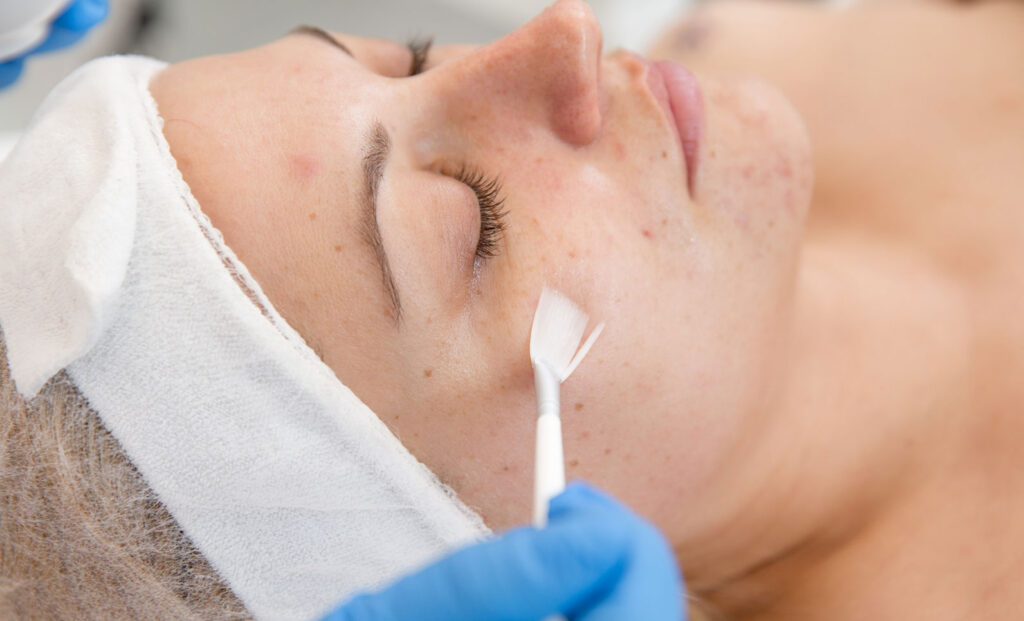
Immediately after treatment, your skin may look flushed, like a moderate sunburn. It can feel warm, tight, tender, or sensitive. Mild swelling is possible, and you may see small pinpoint marks or a temporary grid-like pattern where the handpiece touched the skin.
For the rest of treatment day:
- Follow the aftercare instructions your provider gives you.
- Keep your hands away from the treated area, and don’t rub or scrub.
- Avoid makeup unless your provider specifically says otherwise.
- Use only products your provider has approved for right after treatment.
A clean, cool compress may feel soothing if your provider says it’s appropriate. Keep it cool rather than icy, and don’t press or rub it against your skin.

Days 1–2: Sensitivity, dryness, and possible swelling
On the first day or two, your skin may still feel warm, tight, dry, or a little puffy. Redness often starts to ease during this period, but it may not disappear right away. Some people notice that their skin feels more sensitive than it looks.
Keep your routine simple:
- Cleanse only as directed, using a gentle cleanser and lukewarm or cool water.
- Pat skin dry with a clean towel instead of rubbing.
- Apply only a gentle moisturizer or post-treatment product approved by your provider.
- Avoid active skincare ingredients, exfoliants, and fragranced products until you’re cleared to use them.
- Skip strenuous exercise and activities that cause heat or heavy sweating.
What about makeup? Uplift advises avoiding makeup for at least 24 hours. Depending on how your skin looks and feels, your provider may recommend waiting until day 2 or 3. Don’t apply makeup over skin that’s still open, oozing, unusually irritated, or uncomfortable. When you do resume, use clean tools and follow your provider’s guidance.
Days 3–5: Tiny flakes or micro-crusting may appear
By days 3–5, swelling and pronounced redness may be easing. Your skin may still look pink or feel rough, and small flakes or tiny micro-crusts can become more noticeable as the surface heals. This can be part of the recovery process.
Let flakes and crusts come away on their own. Picking or exfoliating them can irritate healing skin. Continue gentle cleansing and follow the product instructions you received. If your skin is still sensitive, give it more time before returning to makeup, a workout, or your usual skincare routine.
Many people feel ready to return to work or social plans during this stretch, but your skin may still show signs of treatment. If you have an important event or a full week of in-person meetings, mention it during your consultation so your provider can help you plan.
Week 1–2: Texture gradually settles
During the first week, the surface of your skin usually continues to calm. Mild dryness, roughness, pinkness, or sensitivity can linger, and the timing isn’t identical for everyone. By the second week, your skin may feel more settled, though recovery can take longer after a more intensive treatment.
Don’t rush back into retinoids, acids, scrubs, or other potentially irritating products. Your provider may give you a specific restart date; follow that rather than relying on a one-size-fits-all timeline. If you’re unsure whether a product is gentle enough, ask before using it.
Aftercare basics: protect your skin while it heals
A simple routine is often the most comfortable choice during early recovery. Your exact instructions may vary, but these general reminders can help:
- Keep skincare gentle. Use only the cleanser, moisturizer, and post-treatment products your provider recommends.
- Pause heat and sweat. Avoid strenuous exercise, hot tubs, saunas, steam rooms, and other heat-generating activities until irritation has resolved and your provider clears you. This may mean a few days, not just a few hours.
- Be careful with sun exposure. Keep treated skin out of direct sun as much as possible while it heals. Once your provider says sunscreen is appropriate and your skin can tolerate it, use a broad-spectrum sunscreen of at least SPF 30. A hat and shade can add protection outdoors.
- Avoid friction and picking. Let your skin recover without scrubbing, peeling, or rubbing at dry areas.

For Uplift’s treatment-specific guidance, see the Morpheus8 service page and its detailed care instructions. Your provider may tailor the plan to your treatment and your skin.
When should you contact your provider?
Some redness, warmth, swelling, and tenderness can be expected after treatment. Contact your provider if symptoms are worsening instead of gradually improving, or if you notice increasing pain, fever, unusual discharge, blistering, or another change that concerns you. If you have a severe or rapidly worsening reaction, seek urgent medical care.
It’s always okay to check in when something doesn’t feel right. Your care team can help you understand what’s expected for your treatment and whether you need to be seen.
When do results develop?
The visible recovery and the deeper skin response happen on different timelines. Surface redness and dryness may settle over days to a couple of weeks, while collagen forms gradually over the following weeks and months. That means your skin’s longer-term changes aren’t something to judge in the first few days.
Morpheus8 is not a one-timeline-fits-everyone treatment, and results vary. At a consultation, your provider can talk through the treatment plan, expected recovery, and how it fits your goals. If you’re considering Morpheus8 Oakdale or exploring medical aesthetics near Woodbury, a conversation with an experienced provider is a helpful place to start.
A little planning (especially around workouts, outdoor time, and important events) can make recovery feel more manageable. With gentle aftercare and realistic expectations, you can give your skin the time it needs to settle and support its natural repair process.