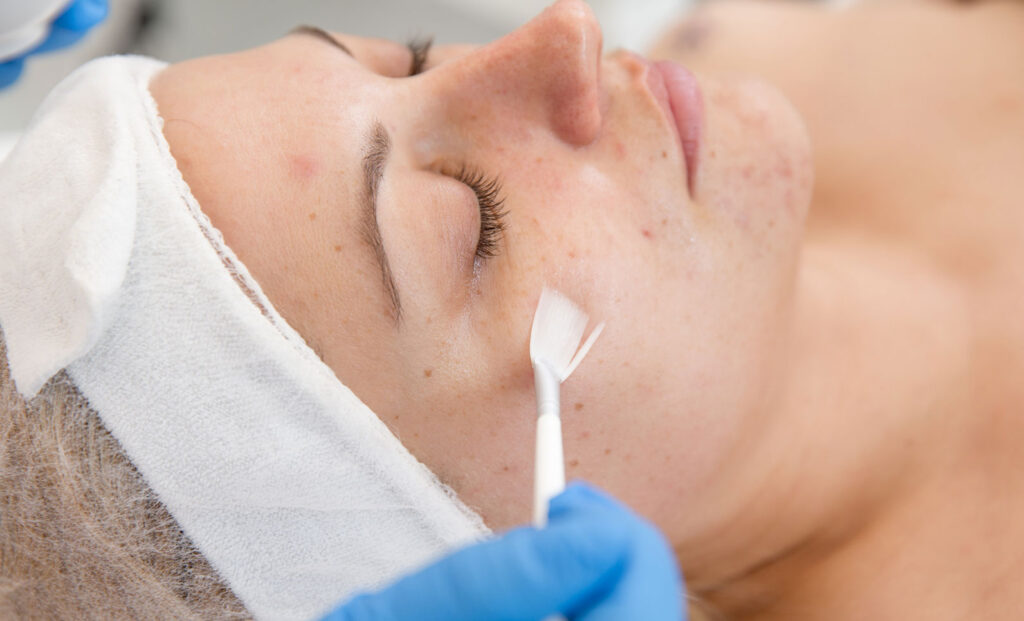

You’re busy. You have a full calendar, a career to lead, people to care for, and probably at least one dog who believes your entire schedule revolves around them.
So, how many laser hair removal sessions do you really need before you can stop thinking about shaving, waxing, or last-minute touch-ups?
The honest answer is usually about 6 to 10 sessions, with some people needing closer to 12. But “done” does not always mean every single hair is gone forever. In most cases, the realistic goal is long-term hair reduction: less hair, finer regrowth, and far less daily maintenance.
Keep reading and find out more about the session math behind laser hair removal in Woodbury, including why timing matters, how different body areas respond, and what maintenance may look like later.
The short answer: plan for 6–10 sessions
Many people begin noticing a difference after their first treatment. However, one session cannot treat every hair follicle effectively.
A practical planning range looks like this:
- Small areas, such as the underarms: Often around 6–8 sessions
- Bikini area: Commonly around 6–10 sessions
- Lower legs or full legs: Often around 6–10 sessions
- Face or other hormone-sensitive areas: Frequently 8–12 sessions, plus maintenance
- Dense or coarse hair: May require additional sessions
- Very light, gray, white, or red hair: May respond less reliably because the laser targets pigment
These are estimates, not promises. Your number of treatments depends on your skin tone, hair color, hair thickness, treatment area, hormones, and how consistently you follow your schedule.
At Uplift Aesthetics, your treatment plan should be personalized around your goals and your skin and hair characteristics.
Why does laser hair removal take multiple sessions?
The answer is your hair-growth cycle.
Every hair follicle moves through three general phases:
- Anagen: The active growth phase
- Catagen: A short transition phase
- Telogen: The resting phase
Laser hair removal works best when a hair is in the active growth phase. During anagen, the hair contains more of the pigment that absorbs the laser’s energy. That energy travels toward the follicle and helps reduce its ability to produce hair.
The important detail? Not every hair is in anagen at the same time.
Some follicles may be actively growing while others are resting. A single treatment only reaches the follicles that are in the right phase at that moment. As other follicles enter their growth phase over the following weeks, they become ready for another treatment.
That is why a series works better than one appointment. You are gradually treating different groups of follicles as they cycle into the active growth phase.

Why treatments are spaced 4–6 weeks apart
More frequent appointments do not necessarily produce faster results. Your skin and hair need time between treatments, and the next session needs to line up with new hair growth.
Most people have laser hair removal treatments about every 4–6 weeks. Your exact timing may vary based on:
- The area being treated
- How quickly your hair regrows
- Your skin’s response
- Whether you are seeing new active growth
- The recommendation of your laser professional
For example, you may schedule a treatment every 4–6 weeks early in your series. As the hair becomes more sparse, your appointments may be spread farther apart.
Staying consistent matters. If you wait too long between sessions, you may miss the ideal timing for some follicles. If you come in too soon, there may not be enough new growth for the treatment to target.
What results can you expect from each session?
Laser hair removal results are gradual. You may notice:
- Slower regrowth
- Less visible hair
- Finer hair texture
- Fewer ingrown hairs
- Smoother-looking skin
- More time between shaving
Some patients see roughly a 10%–25% reduction after the first treatment, although results vary. The hair may also appear to grow unevenly at first. That does not necessarily mean the treatment failed. It may simply reflect the fact that different follicles are in different growth phases.
After several sessions, the overall pattern usually becomes easier to see. You may shave less often, notice fewer dark stubble areas, and feel more comfortable wearing what you want without planning around hair removal.
Is every body area treated the same way?
Not exactly. Body areas have different hair-growth patterns, hair thickness, and hormone sensitivity.
Underarms and bikini area
These areas often respond well because the hair tends to be darker and coarser. Many people plan for around 6–10 sessions, followed by occasional maintenance if regrowth appears.
Legs
Legs may require several sessions because the treatment area is larger. Hair can also grow at different rates across the legs, so patience and consistent scheduling are important.
Face
Facial hair can be more unpredictable, especially when hormones are involved. You may need more sessions and more frequent maintenance than you would for the legs or underarms.
Facial hair can also be finer, which may affect how well it responds. A consultation is especially helpful if you are considering treatment for the chin, upper lip, jawline, or neck.
What hormonal changes have to do with results
Hormones can stimulate new hair growth, even after you have completed a successful series.
Hormone-sensitive areas may respond differently during life stages or health changes such as:
- Polycystic ovary syndrome, or PCOS
- Pregnancy and postpartum changes
- Perimenopause or menopause
- Starting or stopping certain medications
- Hormone therapy
- Other endocrine changes
This does not mean laser hair removal will not work for you. It simply means your plan may include more sessions or ongoing maintenance.
If new hair appears months or years later, it may be newly stimulated growth rather than the exact same follicles returning. A touch-up treatment can often help manage it.

What does “done” realistically look like?
“Done” usually means you have reached a level of reduction that feels worthwhile to you. It does not always mean absolute, permanent hairlessness.
A realistic result may look like:
- Significantly less visible hair
- Finer, softer regrowth
- Longer periods between shaving
- Less frequent razor burn or irritation
- Occasional hairs that are easy to manage
- Maintenance sessions only when needed
The American Academy of Dermatology explains that most patients remain hair-free for months or even years after a treatment series, but some regrowth can occur. When it does, the hair is often less noticeable.
That is why reputable providers generally use the term permanent hair reduction rather than promising 100% permanent removal.
Will you need maintenance treatments?
Possibly, yes. Maintenance is normal and does not mean your original treatments failed.
Some people return for a touch-up when they notice regrowth. Others may schedule maintenance every 6–12 months, especially for hormone-sensitive areas. Your schedule may also change over time.
A major hormonal shift can create new growth, which may require a short booster series. Your provider can help you decide whether you need one maintenance treatment or several.

How to prepare for better results
A few simple habits can help you get the most from your sessions:
- Shave before your appointment according to your provider’s instructions. Many people shave about 24 hours beforehand.
- Do not wax or pluck between sessions. The follicle needs to remain present for the laser to target it.
- Avoid tanning and intentional sun exposure before and after treatment.
- Use broad-spectrum SPF 30 or higher on exposed treated skin.
- Tell your provider about medications, skin conditions, recent tanning, and a history of cold sores.
- Follow your aftercare instructions, especially if you experience temporary redness or swelling.
Laser hair removal can be safe and effective across a wide range of skin tones when the device and settings are carefully selected for your skin. Because burns and pigment changes are possible in inexperienced hands, choosing a knowledgeable, properly trained provider matters.
Is laser hair removal in Woodbury worth it?
If shaving or waxing has become another task on an already crowded to-do list, laser hair removal may be a practical long-term investment in your time and comfort.
You should expect a process rather than an instant fix:
- 6–10 sessions is a common starting range
- Treatments are usually spaced 4–6 weeks apart
- Results build gradually
- Hormonal areas may need additional treatments
- Maintenance may be needed later
- The goal is usually long-term reduction, not guaranteed total removal
At Uplift Aesthetics, you can learn more about the local laser hair removal experience or use the treatment planning tool to start thinking through your goals.
You can also book online when you are ready to discuss your options. With the right plan and realistic expectations, smoother, lower-maintenance skin can become one less thing you have to think about!
Frequently Asked Questions
How many laser hair removal sessions do I need?
Most people need approximately 6–10 sessions, although some need 8–12 or more. Your total depends on the treatment area, hair color, hair thickness, skin tone, and hormonal factors.
How far apart should laser hair removal sessions be?
Most treatments are scheduled about 4–6 weeks apart. Your provider may adjust the schedule based on your hair-growth pattern and skin response.
Does laser hair removal permanently remove hair?
Laser hair removal is best understood as long-term hair reduction. Many treated hairs do not return, while any regrowth is often finer and less noticeable. Maintenance treatments may still be needed.
Can hormones affect laser hair removal results?
Yes. PCOS, pregnancy, postpartum changes, perimenopause, menopause, and other hormonal shifts can stimulate new hair growth. Hormone-sensitive areas may need additional treatments or periodic maintenance.
Is laser hair removal safe for all skin types?
Many skin tones can be treated safely with appropriate technology, settings, and provider experience. A consultation helps determine the safest approach for your skin and hair characteristics.
What should I avoid before laser hair removal?
Avoid tanning, sunless tanners, waxing, and plucking before treatment. Shaving is generally preferred, but follow the specific instructions provided by your treatment professional.