Have you noticed more hair in your brush, a wider part, or a ponytail that feels less full? You may be wondering whether PRP could help you feel more confident in your hair again.
So, could PRP be the answer if you want fuller-looking hair without surgery or a long recovery? Possibly! But the best results start before your first injection.
If you are researching hair restoration in Woodbury or PRP Woodbury MN, use this checklist to make a thoughtful, informed decision.
First, what is PRP hair restoration?
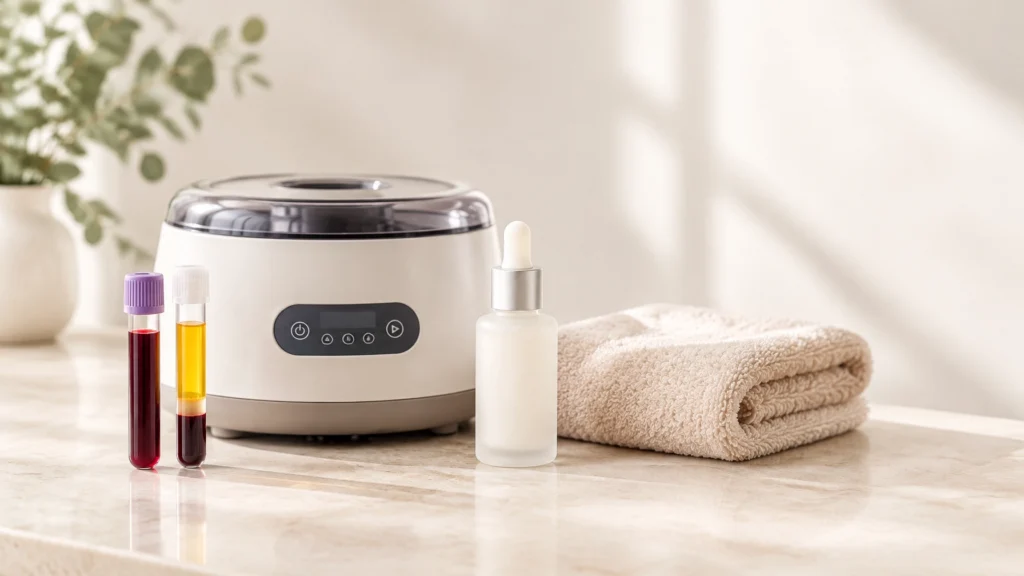
Platelet-rich plasma, or PRP, uses a small sample of your own blood. Your provider processes the sample in a centrifuge to concentrate the platelets and growth factors. The PRP is then injected into areas of scalp thinning.
The goal is to support existing hair follicles and encourage healthier-looking growth over time.
At Uplift Aesthetics, hair restoration with PRP begins with a consultation and personalized plan. The treatment is designed for hair thinning and hair loss, with no expected downtime. You can learn more about the hair restoration with PRP process.
PRP is not a quick fix or a guaranteed cure. Your results depend on the cause of your thinning, the activity of your follicles, your overall health, and your consistency with treatment and home care.
Keep reading and find out more about what to do before you commit!
1. Get the cause of your hair thinning evaluated
Hair thinning can have more than one cause. Before focusing only on a cosmetic treatment, ask what may be happening beneath the surface.
Common contributors to thinning hair in women include:
- Thyroid changes
- Low iron or other nutritional deficiencies
- Hormonal shifts, including perimenopause
- Postpartum changes
- New medications or medication changes
- Significant stress or illness
- Genetic or female-pattern hair loss
- Scalp irritation or inflammation
- Tight hairstyles or repeated traction
A consultation should include questions about when your shedding started, whether it is sudden or gradual, and whether you have experienced recent stress, illness, pregnancy, or hormonal changes. Bring a list of your medications and supplements, too.
In some cases, your provider may recommend talking with your primary care clinician or another medical professional about laboratory testing. Depending on your history, that may include thyroid, iron, hormone, or other assessments.
Why does this matter? PRP can support weakened, active follicles. But if an underlying issue is contributing to your shedding, addressing that issue may be an important part of your overall plan.
2. Take baseline photos before your first session
Hair changes happen gradually. That makes it surprisingly difficult to judge your progress from memory.
Before your first PRP appointment, take clear baseline photos. You can also ask your provider to document your starting point during your consultation.
For the most useful comparison, keep these details consistent:
- Use the same room and lighting
- Take photos at the same time of day when possible
- Keep your hair dry
- Use the same part
- Photograph the front, top, crown, and both sides
- Avoid changing your hairstyle between comparison photos
- Take follow-up photos around three months and again at six months
Try not to take a new photo every day. That can make small, normal changes feel bigger than they are. A monthly or treatment-based comparison usually gives you a more realistic view.
Photos can help you notice changes such as:
- Less visible scalp along your part
- More coverage at the crown
- A fuller-looking ponytail
- Stronger-looking strands
- Fine new hairs in areas where follicles remain active
Your photos are not a promise of results. They are simply a helpful way to track your individual response.
3. Understand what PRP can, and cannot, do
This is one of the most important parts of your decision.
PRP is designed to support follicles that are still present and active but may be weakened or producing thinner strands. It may help improve the appearance of density, reduce shedding for some people, and encourage stronger-looking hair over time.
However, PRP cannot reliably revive follicles that are no longer active. It cannot recreate follicles in areas where they are completely absent or scarred.
That means PRP often makes the most sense for women with early-to-moderate thinning rather than completely bare areas. Your provider should assess your scalp and explain whether your pattern of thinning appears appropriate for treatment.
Realistic goals may include:
- Less hair in your brush or shower
- Thicker-feeling strands
- Improved coverage
- A less noticeable part
- Healthier-looking hair over time
- More confidence when styling your hair
Complete restoration to the density you had in your twenties is not a realistic expectation for everyone. A trustworthy provider will explain both the potential benefits and the limitations.
4. Ask how many sessions you may need
One PRP appointment is usually not the entire plan.
Treatment recommendations vary, but an initial series commonly includes three or four sessions spaced several weeks apart. Uplift Aesthetics lists three sessions as a typical treatment need for hair restoration, while its ROOTED Hair Restoration Program includes personalized scalp analysis and programs with four PRP injection treatments.
During your consultation, ask:
- How many sessions do you recommend for my starting point?
- How far apart will the sessions be?
- What happens if I miss or delay a session?
- When will we evaluate my progress?
- Will you take standardized photos?
- What does the full investment include?
- Will my plan include home-care support?
You should also ask about maintenance. Hair naturally continues to change, and PRP is not typically a one-time treatment forever. Some people benefit from periodic maintenance sessions after their initial series. Your schedule may depend on your response, your pattern of thinning, and your goals.
Understanding the complete plan upfront helps you make a decision that fits your calendar and budget.
5. Use the three-month checkpoint to set expectations
Hair grows slowly. You may notice small changes before you see a dramatic difference, and early progress does not always look like new length right away.
A general timeline may look like this:
The first few weeks
Your scalp may feel tender, tight, or mildly irritated after treatment. Temporary redness, swelling, or bruising can occur. Some people also notice changes in shedding.
Follow the specific instructions from your provider. Uplift Aesthetics recommends avoiding wetting your hair for at least four hours, heavy exercise, sun, and heat exposure for at least two days, and heat styling or coloring for at least three days after treatment.
Around three months
Three months is an important checkpoint. You may begin noticing less shedding, stronger-looking hair, or subtle improvement in coverage. This is a time to compare your photos and discuss your progress with your provider.
It is also important to remember that three months may represent early improvement, not your final result. Hair can continue changing for several additional months.
Around six months and beyond
Many women evaluate more meaningful changes around four to six months. Your provider can help determine whether your response is on track and whether maintenance or additional support makes sense.
The most encouraging results are usually gradual and natural-looking. Forward progress matters more than overnight transformation!
6. Adjust your home routine to support healthier hair
PRP is only one part of your hair-restoration plan. Your daily habits can also affect how your scalp and hair look and feel.
Consider making a few practical changes:
- Use gentle scalp and hair products that do not leave your scalp irritated.
- Avoid tight ponytails, buns, or extensions that repeatedly pull on the hair.
- Reduce frequent high-heat styling.
- Use a heat protectant when you do use hot tools.
- Eat regular meals with adequate protein and a variety of nutrient-rich foods.
- Stay hydrated.
- Prioritize consistent sleep.
- Build stress-management habits that fit your life.
- Follow any supplement or topical recommendations from your qualified provider.
- Avoid coloring or aggressive chemical services immediately after treatment, based on your provider’s instructions.
You do not need a perfect routine. Small, consistent choices can help create a healthier environment for your hair while your treatment plan progresses.

Is PRP hair restoration safe?
PRP uses a concentrated portion of your own blood, which means the injected material is autologous. Most people experience temporary effects such as tenderness, redness, swelling, or bruising.
Still, PRP is a medical treatment. A qualified provider should review your health history, medications, scalp condition, and goals before recommending it. Be open about medical conditions, recent illness, pregnancy or postpartum changes, and anything else that may affect your care.
At Uplift Aesthetics, hair restoration begins with a consultation with a registered nurse. The team serves clients from Woodbury, Oakdale, Maplewood, and the greater St. Paul area.
Ready to explore PRP in Woodbury?
The best first step is not committing to a package. It is getting clear answers.
Ask what may be contributing to your thinning, whether your follicles appear active, how many sessions you may need, when you should expect a three-month checkpoint, and what maintenance could look like. Then decide whether the plan feels realistic for your goals and lifestyle.
If you are ready to learn more about PRP Woodbury MN, you can contact Uplift Aesthetics or book online. A personalized consultation can help you move forward with more confidence, and a plan that supports your hair journey from the inside out.