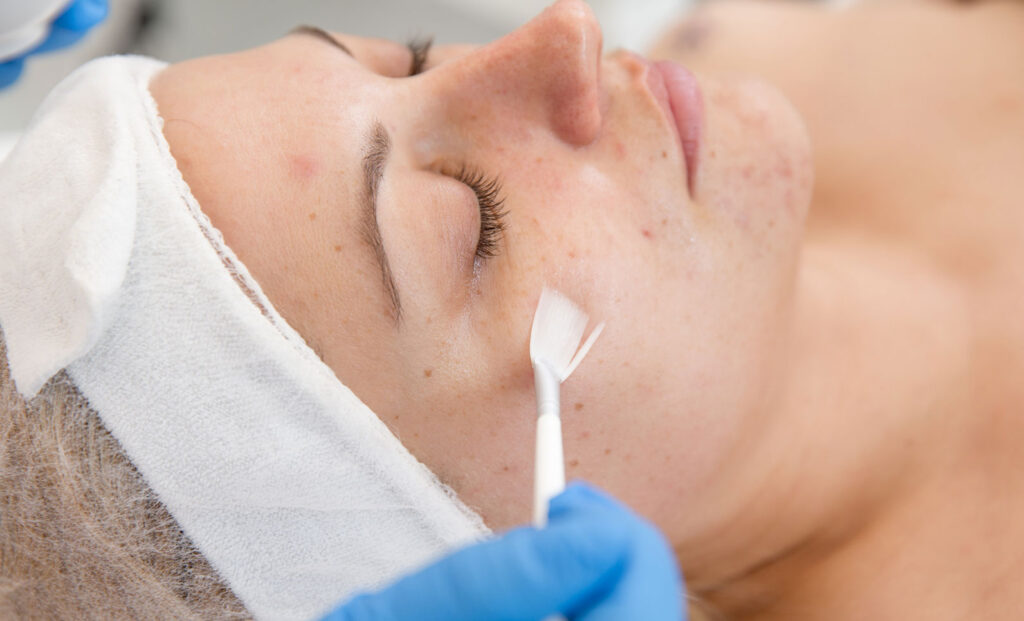
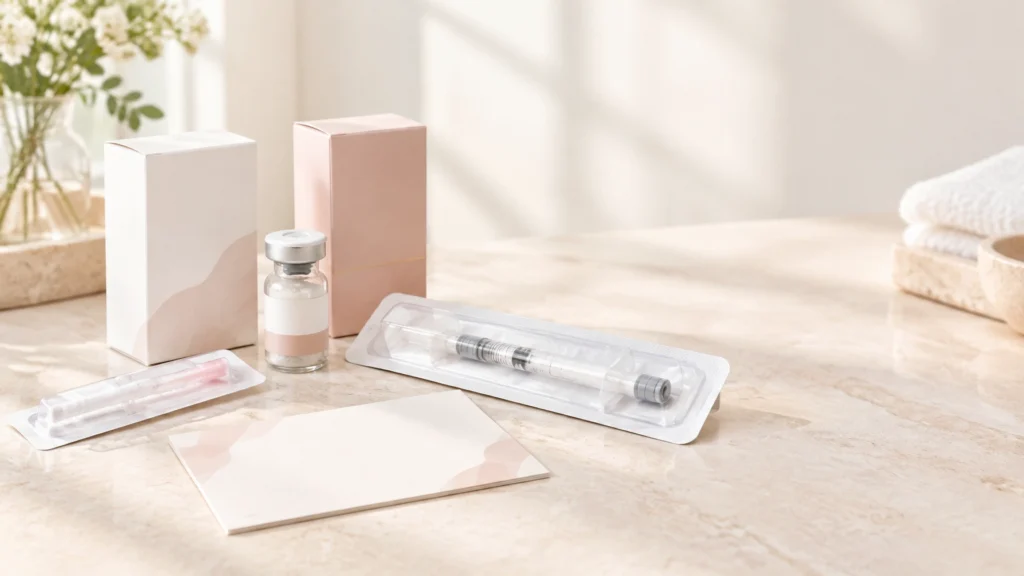
Have you noticed changes in your facial volume, jawline, or skin laxity but are not ready for surgery? Could a liquid facelift be the answer if you want to look refreshed without taking weeks away from work and your daily routine?
A liquid facelift, also called a non-surgical facelift, may help restore facial volume and improve your contours with strategically selected injectables. But it is not a replacement for every type of facelift surgery.
The most helpful place to begin is with honest expectations. A liquid facelift can create a beautiful, refreshed result for the right candidate. It cannot remove excess skin or reposition deeper facial structures.
So, how do you know which path may be right for you? Keep reading and find out more!
What Is a Liquid Facelift?
A liquid facelift is a customized combination of injectable treatments. The exact plan depends on your facial anatomy, skin quality, concerns, and goals.
A combination approach may include:
- Hyaluronic acid dermal filler to restore volume and improve facial contour
- Sculptra, a biostimulator that encourages your body to produce new collagen over time
- Other injectables when appropriate to soften certain expression lines
The goal is not to change your face completely. Instead, your provider may use carefully placed products to help restore support that has gradually diminished with age.
A liquid facelift may address:
- Mild facial volume loss
- Hollow-looking cheeks or temples
- Early contour changes
- Mild skin laxity
- Softening of certain lines and folds
- Subtle definition around the cheeks, chin, or jawline
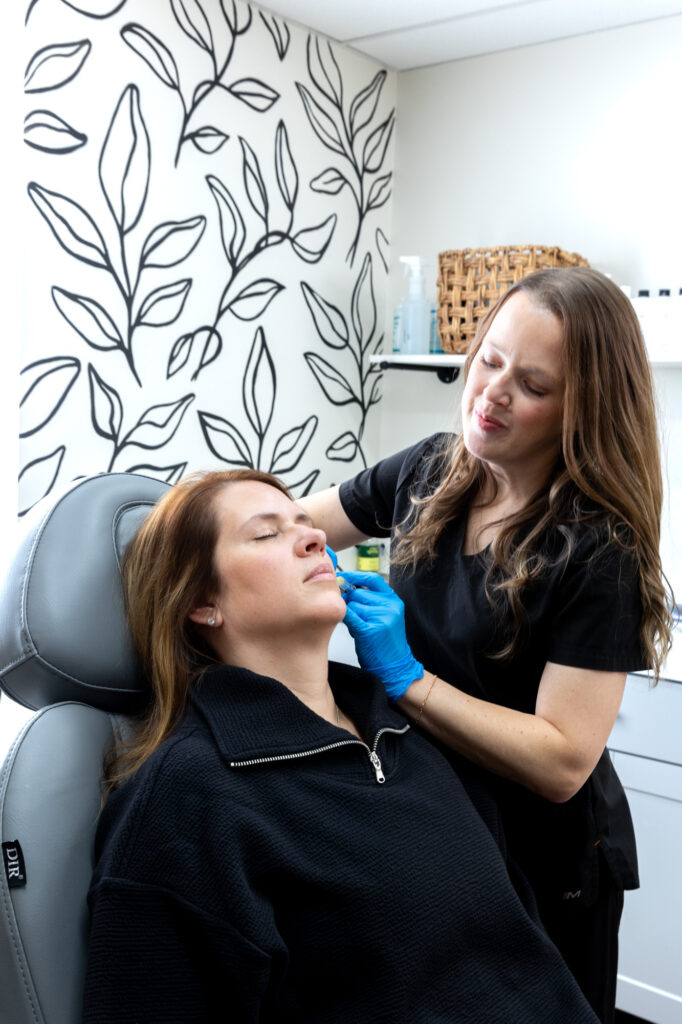
At Uplift Aesthetics, treatment begins with a consultation. Your provider can evaluate your facial structure and create a plan that fits your desired level of change.

How Filler and Sculptra Work Together
Dermal filler and Sculptra work differently, which is why they may complement each other in a liquid facelift plan.
Dermal filler
Dermal filler provides a more immediate improvement in selected areas. Depending on the product and where it is placed, filler may help:
- Restore lost volume
- Improve facial balance
- Support certain contours
- Soften the appearance of lines caused by volume loss
Many hyaluronic acid fillers last approximately 6 to 12 months, although longevity varies based on the product, treatment area, metabolism, and individual factors.
Sculptra
Sculptra is a poly-L-lactic acid biostimulator. Rather than simply adding immediate fullness, it encourages your body to gradually produce collagen.
At Uplift Aesthetics, Sculptra typically involves 2 to 3 sessions over several months. Results develop gradually, and the full effect may take 2 to 3 months after your last treatment. The Uplift Aesthetics Sculptra treatment page lists results lasting 2+ years, although individual results vary.
Sculptra may be a good option if you prefer a gradual, natural-looking improvement instead of an instantly noticeable change. It is best thought of as a collagen-stimulating volumizer, not a surgical lifting procedure.
What a Liquid Facelift Can Genuinely Improve
A liquid facelift can be effective when your concerns are primarily related to volume loss and early aging changes.
1. Lost facial volume
As collagen, elastin, and facial fat change over time, your face may appear flatter or more tired. Carefully placed filler or Sculptra may help restore some of the structure and fullness that has been lost.
2. Mild laxity
Adding support in the right locations may create a subtle lifting or tightening appearance when your skin still has reasonable elasticity.
However, this is a visual improvement from restored support. It is not the same as physically lifting loose skin.
3. Facial contour
A customized treatment may improve balance and definition through the cheeks, chin, and jawline. The best results are usually subtle. You should still look like yourself, just more rested and refreshed!
4. Gradual, adjustable results
Non-surgical treatments are performed in an office setting and can often be adjusted over time. Some hyaluronic acid fillers can also be dissolved if clinically appropriate. Sculptra works differently and cannot simply be dissolved, so provider experience and careful planning matter.
Injectable treatments can be safe and effective for all skin types when a qualified medical professional selects the appropriate product and technique for your needs.
What a Liquid Facelift Cannot Do
This is the most important part of the conversation.
A liquid facelift cannot:
- Remove excess skin
- Tighten severely stretched skin
- Reposition deeper facial tissues
- Correct significant neck laxity
- Fully eliminate pronounced jowls
- Create the same structural lift as surgery
- Provide permanent results
Adding more filler is not always the answer. When significant laxity is present, using large amounts of filler to camouflage loose skin may create heaviness or an overfilled appearance.
That does not mean a liquid facelift has failed. It may simply mean that surgery is better matched to the specific concern.
Downtime: Liquid Facelift vs. Surgery
For many busy professionals, recovery time is an important part of the decision.
Liquid facelift downtime
A liquid facelift usually involves:
- No surgical incisions
- No general anesthesia
- A treatment time of approximately 30 to 60 minutes, depending on the plan
- Possible swelling, bruising, tenderness, or redness
- Return to many normal activities the same or next day
Your provider may recommend avoiding strenuous exercise, alcohol, or significant sun exposure for approximately 24 to 48 hours. Individual instructions vary.
Even with minimal downtime, it is wise to schedule treatment at least a few days before an important event in case bruising or swelling occurs.
Surgical facelift downtime
A surgical facelift involves incisions, anesthesia or sedation, and a longer recovery period. Many patients need approximately 10 to 14 days before returning to work or social activities, although healing continues beyond that time.
Swelling, bruising, activity restrictions, and follow-up appointments are expected. Your surgeon will provide detailed instructions based on the procedure performed.
Surgery is a significant commitment, but it can provide a more substantial and longer-lasting change for patients with advanced laxity.
Longevity and Cost Over Time
A liquid facelift generally costs less upfront than surgery. It is performed in an office and does not include the same operating room, anesthesia, or facility costs associated with a surgical procedure.
However, injectable treatments require maintenance.
- Many hyaluronic acid fillers last about 6 to 12 months
- Sculptra may provide results for 2+ years after an appropriate treatment series
- Neuromodulators, when included, often last several months
- Surgical facelift results are generally measured in years rather than months
The national cost of a liquid facelift can vary widely depending on the number and type of injectables used. CareCredit reports a broad national range of approximately $2,000 to $12,000, but your actual cost depends on your treatment plan, provider, location, and product selection. You can review more general information in CareCredit’s liquid facelift cost guide.
Over three, five, or ten years, repeated injectable treatments may approach or exceed the upfront cost of surgery. That does not make one option better for everyone. It simply means you should consider both your immediate budget and your long-term goals.
Who May Be a Better Candidate for Each Option?
A liquid facelift may be a better fit if you:
- Have mild to moderate volume loss
- Have early or mild laxity
- Still have reasonable skin elasticity
- Want subtle, natural-looking improvement
- Prefer no incisions or general anesthesia
- Need minimal downtime
- Like the idea of gradual, adjustable results
- Understand that maintenance will be part of your plan
Surgery may be a better fit if you:
- Have significant excess skin
- Notice pronounced jowls or neck laxity
- Want a more dramatic structural lift
- Are comfortable with incisions and anesthesia
- Can plan for several weeks of recovery
- Prefer a result that lasts many years
Neither choice is “better” in every situation. The right choice depends on your anatomy, skin quality, health history, timeline, budget, and how much change you want.
The Bottom Line
A liquid facelift can restore volume, improve mild laxity, and enhance facial contour without surgery or extended downtime. Filler may provide more immediate support, while Sculptra gradually encourages collagen production over several months.
What it cannot do is remove excess skin or create the deep structural lift of a surgical facelift.
An honest consultation should include both the benefits and the limitations. At Uplift Aesthetics, our registered nurse injectors can discuss your goals, explain your options, and help you decide whether a non-surgical approach makes sense for you. Start by exploring our dermal filler services or contact Uplift Aesthetics to schedule a consultation.
The goal is not to chase a trend. It is to choose a safe, thoughtful plan that helps you feel like yourself again!