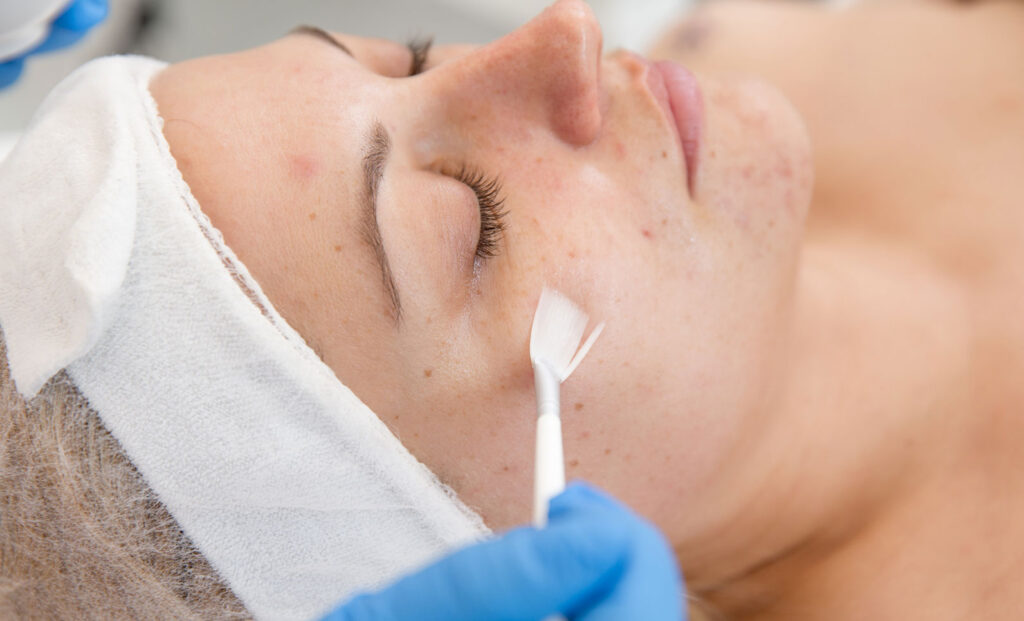
Have you been noticing more brown spots, uneven tone, or facial redness in the mirror? Do you wish your skin looked a little calmer and brighter without taking significant time away from your schedule?
If so, you may be researching IPL St Paul treatments. Intense pulsed light, often called IPL or a photofacial, can target common signs of sun damage and redness with little downtime. But what should you expect after your very first session?
Will your skin look immediately clearer? Is it normal for sun spots to darken? How long will the redness last?
Keep reading and find out more about what happens during session one, what your skin may look like during the first week, and how your results build over time.
What Is IPL?
IPL uses broad-spectrum light to target specific color in the skin.
- Brown spots contain melanin, the pigment that gives skin its color.
- Redness and visible blood vessels contain hemoglobin, a protein in blood.
- IPL light is absorbed by these targets and gently heats them.
- Your body then gradually clears the treated pigment and vascular areas.
At Uplift Aesthetics, IPL treatments use the Lumecca device to address concerns such as sun spots, uneven tone, visible vessels, and redness. You can learn more about the treatment in Uplift’s guide to intense pulsed light in St Paul.
IPL may also help support a more even-looking complexion and smoother overall appearance. It is noninvasive, does not use needles, and typically requires minimal downtime.
That said, IPL is not the right fit for every person or every skin concern. Your provider should evaluate your skin tone, current tan, medications, skincare products, and treatment goals before recommending it. This careful assessment helps keep your treatment both comfortable and safe.
Before Your First IPL Session
Your preparation can affect both your comfort and your results. During your consultation, your provider will review your skin and give you personalized instructions.
In general, you may be asked to:
- Avoid intentional sun exposure and tanning beds for about 2–4 weeks before treatment.
- Avoid self-tanner before your appointment.
- Pause certain retinoids, exfoliating acids, or other irritating products as directed.
- Tell your provider about medications that may increase sun sensitivity.
- Arrive with clean skin and no makeup, lotion, or sunscreen on the treatment area.
You may also need to postpone treatment if you have a recent tan, active irritation, an open lesion, or a skin infection. If you are pregnant, taking photosensitizing medication, or managing a condition such as melasma, talk with your provider before scheduling.
A consultation gives you a chance to ask questions and make sure your plan matches your skin’s needs. You can also use Uplift’s treatment planning tool if you are not sure where to begin.
What IPL Feels Like During Session One
Your provider will first cleanse your skin and may apply a cooling gel. You will wear protective eyewear throughout the procedure.
As the IPL handpiece delivers pulses of light, you may feel a quick snapping or stinging sensation. Many people describe it as similar to a small rubber-band snap. You may also feel warmth in the treatment area.
The sensation usually lasts only a moment with each pulse. Your provider can adjust the treatment approach based on your comfort and the area being treated.

Treatment time varies depending on the area. A face treatment is often relatively quick, which can make IPL appealing if you have a busy professional schedule.
Once the treatment is complete, your skin may feel warm and look pink or red. Think of it as similar to a mild sunburn. This early reaction is common and usually settles gradually.
Immediately After IPL: What Is Normal?
Right after your first session, you may notice:
- Mild redness or flushing
- Warmth or a sunburn-like sensation
- Slight sensitivity
- Mild swelling, especially around the cheeks or eyes
- Darkening of individual brown spots
- A little dryness or roughness
The redness and warmth may last several hours. For some people, they can continue for a day or two. Mild swelling may also occur and usually improves within 1–3 days.
The most surprising change is often the darkening of sun spots. Treated pigment may look darker, more noticeable, or similar to tiny coffee grounds or pepper flakes.
This does not necessarily mean something went wrong. In many cases, the pigment is absorbing the light and moving through the clearing process. The spots may look temporarily worse before they look better.
Try not to pick, scratch, or scrub the area. Let the treated pigment flake away naturally.
Your First-Week IPL Timeline
Days 0–2: Warmth and Redness
During the first 48 hours, your skin may feel warm and sensitive. Use only the products recommended by your provider.
Helpful steps may include:
- Cleansing with a gentle, non-foaming cleanser
- Using lukewarm water instead of hot water
- Applying a simple, fragrance-free moisturizer
- Using a cool compress wrapped in a clean cloth if needed
- Avoiding makeup until your provider says it is appropriate
Avoid activities that create excess heat. That includes hot tubs, saunas, hot yoga, very hot showers, and intense exercise for at least 24–48 hours, or as long as your provider recommends.
Days 2–4: Darkened Spots and Dry Texture
Your brown spots may remain darker during this stage. You may also notice light flaking or a rougher texture in areas where pigment was treated.
This is the time to be especially gentle. Do not use scrubs, cleansing brushes, exfoliating pads, or washcloths. Avoid retinoids, strong vitamin C products, AHAs, BHAs, and at-home peels until your provider clears you to restart them.
Your skin is working through its renewal process. Patience now supports a smoother-looking result ahead!
Days 4–7: Flaking and Gradual Fading
By the middle or end of the first week, darkened spots may begin to flake off and fade. Do not force this process.
Redness often continues to calm during this period. You may notice that your complexion looks more even, although your final result will not appear immediately.
Some people see an early improvement within 7–14 days, while the full effect of session one may continue developing for several weeks.

Sun Protection Is Essential After IPL
Your skin can be more sensitive to sunlight after treatment. Sun exposure may increase irritation and raise the risk of unwanted pigment changes.
For at least the first week, and often for 4 weeks after IPL, make sun protection a priority:
- Apply a broad-spectrum SPF 30 or higher every morning.
- Reapply sunscreen when spending time outdoors.
- Wear a wide-brimmed hat.
- Seek shade whenever possible.
- Avoid tanning beds and intentional tanning.
- Limit direct, prolonged sun exposure.
Even on cloudy days, UV exposure can affect the skin. Consistent SPF also helps protect your long-term results by reducing the chance of new sun spots.
What Is Normal, and What Should You Call About?
Most post-IPL changes are temporary. Mild redness, warmth, swelling, darkened spots, dryness, and flaking can all be part of the expected healing process.
Contact your provider promptly if you notice:
- Blisters or open sores
- Severe or worsening pain
- Significant swelling, particularly around the eyes
- Pus or other signs of infection
- A burn-like reaction
- Redness that continues to intensify rather than improve
- A strong or persistent change in skin color
When in doubt, reach out. Your provider would rather answer a question early than have you worry at home.
Why Results Build Over a Series
One IPL session can create visible improvement, but many people benefit from a series. Sun spots and redness may respond at different rates, and not every area clears completely after one treatment.
A typical plan may include 3–6 sessions spaced about 3–6 weeks apart, depending on your skin, goals, and response to treatment. Your provider will recommend the schedule that makes sense for you.
After session one, you may notice:
- Brown spots becoming lighter
- A more even-looking skin tone
- Less visible redness
- A brighter overall complexion
- Gradual improvement in the appearance of sun damage
Maintenance treatments and consistent sun protection may help you preserve your results. Your skincare routine matters, too. If you want help choosing products, Uplift offers medical-grade skincare to support your treatment plan.
Is IPL St Paul Right for You?
IPL may be a helpful option if you want to address sun spots, uneven tone, visible vessels, or facial redness without surgery or extensive downtime. Just about anybody with these concerns can begin the conversation, but your provider still needs to determine whether IPL is appropriate for your skin.
A professional consultation is the best place to start. The team at Uplift Aesthetics can discuss your concerns, explain what session one may look like for you, and build a plan around your schedule.
Ready to learn more about IPL St Paul treatments? Contact Uplift Aesthetics or book online to take the next step toward calmer, brighter-looking skin!