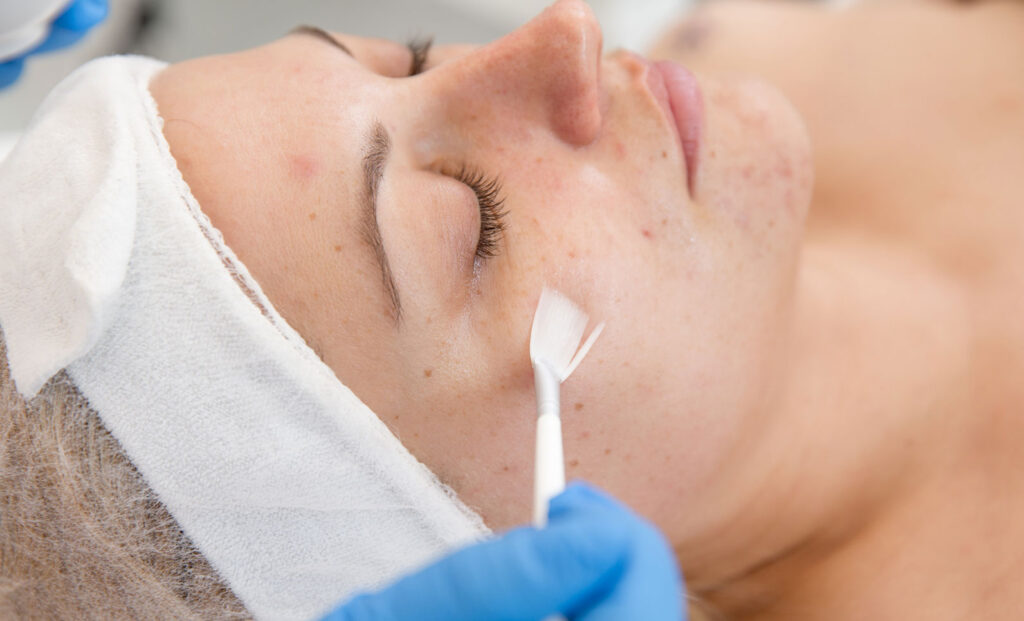

Have you been thinking about IPL in St. Paul but feel unsure about how to prepare? Should you stop your favorite retinol? Can you shave before your appointment? What about that sunny weekend you just spent outside?
You’re not alone! Preparing for your first IPL session is simple once you know what to do, and what to avoid. A few thoughtful steps can help your skin respond comfortably and give your provider the clearest picture of your needs.
At Uplift Aesthetics, we serve women throughout St. Paul, Oakdale, Woodbury, Maplewood, and the surrounding area with personalized medical aesthetics treatments. Our skin care services for St. Paul clients include Lumecca IPL, a light-based treatment commonly used to improve the appearance of sun damage, pigmentation, redness, and uneven skin tone.
Keep reading and find out more about how to prepare for IPL!
First, what is IPL?
IPL stands for intense pulsed light. Unlike a traditional laser that uses one wavelength of light, IPL uses broad-spectrum light to target specific pigments in the skin.
Depending on your concerns and skin assessment, IPL may help improve the appearance of:
- Sun spots and freckles
- Uneven skin tone
- Redness and visible tiny blood vessels
- General signs of sun damage
- Dull-looking skin
IPL is non-invasive, and many people return to their regular schedule soon after treatment. However, it is still a medical aesthetics procedure. Your provider needs to evaluate your skin, health history, medications, and recent sun exposure before treatment.
That consultation matters. It helps your provider choose appropriate settings and determine whether IPL is right for you.
Your IPL preparation timeline
Four weeks before: protect your skin from the sun
The most important preparation step is avoiding tanning and unnecessary sun exposure.
For about four weeks before your session:
- Avoid intentional sunbathing.
- Skip tanning beds and tanning booths.
- Avoid spray tans and self-tanning products on the treatment area.
- Wear a hat or protective clothing when you’re outdoors.
- Apply broad-spectrum SPF 30 or higher every day.
Why is this so important? IPL interacts with pigment. Recently tanned or sunburned skin contains more pigment and may be more sensitive to light-based treatment. Treating tanned skin can increase the risk of irritation, burns, blistering, or unwanted pigment changes.
This does not mean you have to stay indoors for a month! Just be consistent with sunscreen, shade, and protective clothing. If you recently got a sunburn or spent significant time in direct sunlight, tell your provider before your appointment.
One to two weeks before: pause irritating skincare products
Your everyday skincare routine may include helpful products that are too stimulating right before IPL.
Your provider may ask you to pause products such as:
- Retinol or over-the-counter retinoids
- Prescription tretinoin or adapalene
- Glycolic acid
- Lactic acid
- Salicylic acid
- Strong exfoliating scrubs
- At-home peels
- Other products that make your skin more sensitive
Many people are asked to stop retinoids and exfoliating acids about five to seven days before treatment. Prescription-strength products or sensitive skin may require a longer break.
Do not guess about your specific routine. Bring a list of your products or take photos of the labels. Your provider can tell you exactly what to stop and when to restart it.
Until your session, keep your routine simple:
- Use a gentle cleanser.
- Apply a bland, fragrance-free moisturizer.
- Wear SPF 30 or higher during the day.
- Avoid introducing new products.
Calm, healthy skin is the best starting point for treatment.
Two to four weeks before: avoid waxing and plucking
If you are receiving IPL for hair reduction, avoid removing hair from the root in the treatment area. That means no:
- Waxing
- Plucking
- Threading
- Electrolysis
- Depilatory creams, unless your provider specifically approves them
These methods can irritate the skin. Waxing, plucking, and threading can also remove the hair follicle that IPL needs to target during hair-reduction treatments.
Shaving is usually fine and is often preferred. Your provider may ask you to shave the area the day before or the morning of your appointment. Follow the instructions you receive because timing can vary depending on the treatment area and the device being used.
If your IPL is for pigmentation or redness rather than hair reduction, your provider may have different instructions. Ask before making changes.
Review your medications and supplements
Some medications and supplements can increase photosensitivity, meaning they may make your skin more reactive to light.
Before your consultation, make a complete list of everything you take, including:
- Prescription medications
- Over-the-counter pain relievers
- Antibiotics
- Acne medications
- Retinoids
- Diuretics
- Herbal supplements
- Topical medications
Certain antibiotics, oral retinoids, and supplements such as St. John’s wort may affect IPL eligibility. This list is not complete, and medication policies can vary.
Most importantly, never stop a prescribed medication on your own. Your IPL provider and prescribing clinician can help determine whether you need to pause treatment, reschedule, or take another precaution.
Also tell your provider about any recent changes in your health. A new rash, open wound, infection, or flare-up in the treatment area may mean you should wait.
Tell your provider if you have a history of cold sores
If you have ever had cold sores in or near the area being treated, let your provider know before your IPL session, even if you have not had one recently.
Light and heat may trigger an outbreak in some people. Your provider may recommend an antiviral medication before treatment based on your history and the treatment area.
IPL should not be performed over an active cold sore. If you develop a lesion before your appointment, contact the clinic so the team can help you decide whether to reschedule.
There is no need to feel embarrassed. This is a common medical consideration, and sharing the information helps your provider keep you comfortable and safe.
What to bring and what to wear
Your first visit may include a consultation, skin assessment, photographs, and treatment planning. Make the appointment easier by bringing:
- A current medication and supplement list
- Photos or names of your skincare products
- Information about recent sun exposure
- A list of allergies or sensitivities
- Details about previous cosmetic treatments
- Questions about downtime and aftercare
- Information about any history of cold sores
Wear comfortable clothing that allows easy access to the treatment area. If you are treating your face, a loose neckline can make changing and cleansing easier. Avoid wearing heavy makeup or bringing products you know irritate your skin.
On the day of IPL, arrive with clean skin in the treatment area. Avoid makeup, sunscreen, lotions, oils, perfume, and other products unless your provider tells you otherwise.
What to expect at your consultation
Your consultation is not just a quick look at your skin. It is an opportunity to create a treatment plan that fits your goals and your skin’s needs.
Your provider may discuss:
- What you would like to improve
- Your skin type and tone
- Your history of sun exposure and tanning
- Current medications and supplements
- Previous treatments
- Your skincare routine
- Whether you have cold sores
- Your expected results and timeline
- How many sessions may be appropriate
You may also discuss whether IPL is the best option for your concern. For example, some pigmentation concerns may need a different approach, such as medical-grade skincare or another treatment.
Uplift Aesthetics offers additional options, including medical-grade skincare, VI chemical peels, and Morpheus8 RF microneedling. Your provider can help you understand which treatment, or combination of treatments, best matches your goals.
Who should postpone or avoid IPL?
IPL is not appropriate for everyone at every point in time. Your provider may recommend postponing treatment if you have:
- A recent tan or sunburn
- An active infection, rash, or open wound in the treatment area
- An active cold sore
- Certain medications that increase photosensitivity
- Recent waxing, plucking, or another irritating procedure
- A condition that makes light-based treatment unsafe
Pregnancy is another important consideration. IPL is an elective treatment, and safety data during pregnancy are limited. Many providers recommend postponing IPL during pregnancy and may also recommend waiting while breastfeeding.
If you are pregnant, breastfeeding, trying to conceive, or unsure whether treatment is appropriate, tell your provider. You can also discuss your plans with your OB/GYN. A short delay is always better than rushing into a treatment that is not right for you.
What to avoid immediately after IPL
After your session, your skin may look slightly pink or feel warm, similar to a mild sunburn. You may also notice that treated pigment appears darker before gradually fading. Your provider will give you personalized aftercare instructions, but common recommendations include:
- Avoid direct sun exposure.
- Apply broad-spectrum SPF 30 or higher every day.
- Do not use tanning beds or self-tanner until your provider says it is appropriate.
- Avoid retinoids, acids, scrubs, and other irritating products for the recommended timeframe.
- Do not pick, scratch, or scrub treated areas.
- Avoid hot tubs, saunas, and very hot showers for the first day or as instructed.
- Skip strenuous exercise if your skin feels hot or irritated.
- Avoid waxing, plucking, or irritating hair-removal products on treated skin.
Use gentle cleanser and moisturizer while your skin settles. If you experience severe pain, blistering, significant swelling, or anything that concerns you, contact your provider.
Ready to prepare for IPL in St. Paul?
The best IPL experience starts with an honest consultation and well-prepared skin. Avoid tanning, simplify your skincare routine, disclose your medications and cold sore history, and follow the instructions your provider gives you.
At Uplift Aesthetics, our medical aesthetics team can help you decide whether IPL is appropriate for your skin concerns and goals. We proudly serve clients searching for IPL in St. Paul from our Oakdale location.
Ready to take the next step? Book your consultation or IPL appointment online. Your brighter, more even-looking skin journey can start with a conversation!
This article is for general educational purposes and does not replace an in-person evaluation or medical advice. IPL settings, preparation, aftercare, and eligibility vary from person to person. Always follow the instructions provided by your qualified medical aesthetics professional.
Frequently asked questions
How long before IPL should I avoid the sun?
Many providers recommend avoiding intentional sun exposure, tanning beds, and self-tanners for at least four weeks before IPL. Daily broad-spectrum SPF 30 or higher is also important. If you have a recent tan or sunburn, your provider may recommend rescheduling.
Can I use retinol before IPL?
You may need to pause retinol, tretinoin, adapalene, and exfoliating acids about five to seven days before treatment. Prescription products may require a longer break. Ask your provider for instructions specific to your skincare routine.
Can I shave before IPL?
Shaving is usually acceptable and may be recommended the day before or morning of treatment. Waxing, plucking, threading, and other root-removal methods are typically discouraged before IPL.
Is IPL safe for every skin type?
IPL can be safe and effective when your provider carefully evaluates your skin and selects appropriate settings. However, not every person or concern is a candidate at every time. Recent tanning, certain medications, active infections, and pregnancy may affect eligibility.